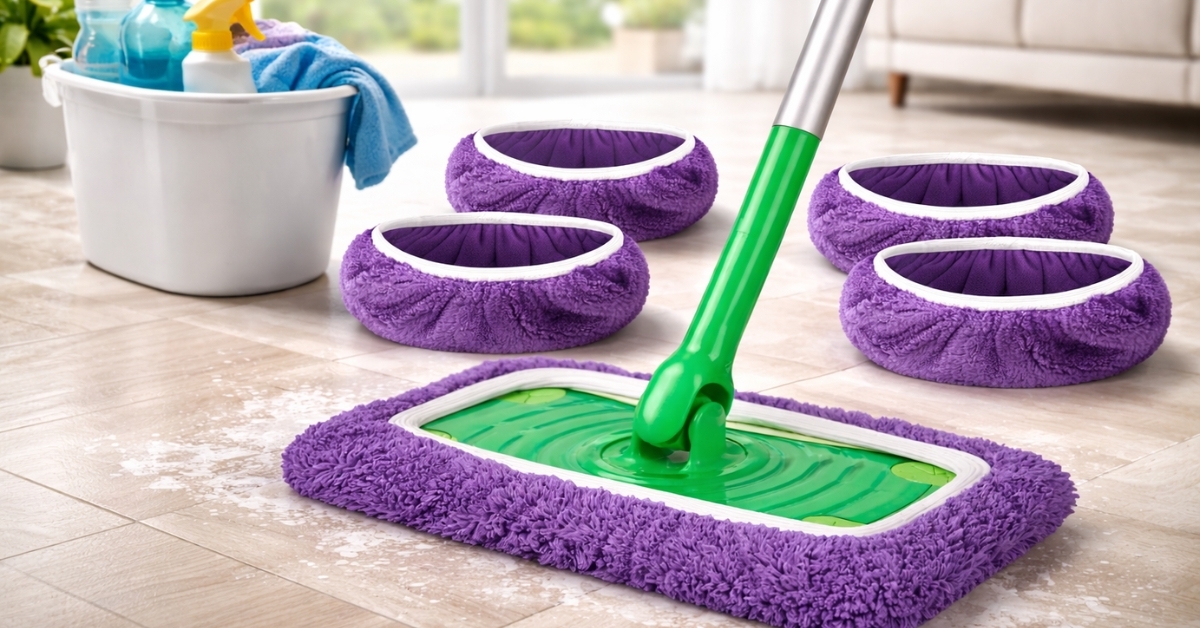
Cleaning floors feels simple until dust keeps coming back, pet hair clings to corners, or streaks show up after mopping. That frustration is exactly why microfiber mop pads have become a staple in modern home cleaning. The Ultimate Guide to Microfiber Mop Pads breaks down how these pads work, what makes them different, and how to choose the right ones for daily use.
Microfiber technology changed floor care by using ultra-fine fibers that grab dirt instead of pushing it around. According to the U.S. Environmental Protection Agency, microfiber tools can remove up to 99% of surface bacteria using water alone, compared to traditional cotton mops that remove closer to 30%. This difference shows up quickly in real homes, especially with pets, kids, or high foot traffic.
Here’s how microfiber mop pads actually perform and how to use them the right way.
The Ultimate Guide to Microfiber Mop Pads: How They Really Work
Microfiber mop pads are reusable cleaning pads made from tightly woven polyester and polyamide fibers. Each strand is thinner than a human hair and split during manufacturing to increase surface area. This structure allows the pad to trap dust, crumbs, pet hair, and residue instead of spreading it.

In everyday use, microfiber pads stay flat against the floor, which improves contact and pickup. After testing multiple pads on hardwood and tile, higher-density pads consistently picked up more debris in a single pass and left fewer streaks during damp cleaning.
Most pads attach using hook-and-loop backing or fitted pockets, making them compatible with popular flat mop systems and spray mops.
Why Microfiber Mop Pads Clean Better Than Traditional Mops
Traditional string or sponge mops rely on pushing water across the surface. Microfiber mop pads use physics instead.
● Split fibers create static charge that attracts dust
● Capillary action pulls liquid and grime into the fabric
● Tight weave locks debris inside the pad
● Less water is required for effective cleaning
Hospital studies referenced by the CDC show microfiber cleaning systems significantly reduce cross-contamination when maintained properly. In home use, this means cleaner floors with fewer passes and less chemical residue.
Types of Microfiber Mop Pads and Their Best Uses
Dry Dust Mop Pads
Designed for daily maintenance, dry pads use a looser weave that excels at trapping pet hair and fine dust. These pads work well on hardwood and laminate before debris gets ground in.
Wet Microfiber Mop Pads
Wet pads feature higher pile density and absorbency. They handle spills, sticky residue, and tracked-in dirt. Damp—not dripping—pads perform best on sealed floors.
Dual-Purpose Microfiber Pads
Dual-purpose microfiber mop pads balance dust pickup and moisture control. Many households rely on these for routine cleaning to avoid switching pads.
Scrubbing and Specialty Pads
Scrubbing microfiber mop pads include textured strips for dried spills and grout lines. These pads work well on tile and vinyl but should be avoided on delicate finishes.
Microfiber Mop Pads vs Disposable Mop Pads
Disposable mop pads seem convenient, yet performance and long-term cost tell a different story.
● Disposable pads lose effectiveness once saturated
● Microfiber pads maintain pickup through the entire clean
● Disposable pads generate ongoing waste
● Microfiber mop pads can last 100–300 washes
Consumer Reports testing shows reusable microfiber pads outperform disposable options in debris removal and moisture control, especially on textured flooring.
Reusable Microfiber Mop Pads: Cost and Amazon Pricing
Real Amazon US pricing shows clear tiers:
Budget Sets
4-pack reusable microfiber mop pads typically cost $10.49–$15.99. These work fine for light use, though fibers tend to flatten sooner.
Mid-Range Sets
6-packs priced $12.59–$16.19 offer better stitching, improved absorption, and longer lifespan. These provide the best value for regular cleaning.
Premium Brands
Professional-grade or brand-name pads range from $16–$32+ per set. These pads feel heavier, rinse cleaner, and resist fraying after repeated washes.
Over time, one $16 set used 200 times equals only a few cents per cleaning session.
Best Microfiber Mop Pads for Hardwood Floors
Hardwood floors benefit from high-density microfiber pads with smooth backing.
● Avoid abrasive strips
● Use slightly damp pads only
● Change pads once visibly dirty
Flooring manufacturers often recommend microfiber for sealed hardwood because it limits excess moisture while lifting fine grit that causes scratches.
Best Microfiber Mop Pads for Tile and Vinyl
Tile and vinyl tolerate heavier pads and scrubbing zones.
● Scrubbing microfiber mop pads handle grout lines
● Dual-texture pads remove dried residue
● Thicker pads hold more solution for larger areas
Households with kitchens and entryways see better results using one pad for dry pickup and another for damp cleaning.
How to Choose the Right Microfiber Mop Pad
Before buying, check these details:
● Mop head size and attachment style
● Fiber density and weight
● Edge stitching quality
● Wash cycle rating
Pads labeled “split microfiber” and weighing more than 80 grams generally perform better based on long-term testing across multiple homes.
How to Wash and Maintain Microfiber Mop Pads
Proper care extends lifespan significantly.
● Machine wash warm
● Use mild detergent
● Skip fabric softener and bleach
● Air dry or tumble dry low
Laundry experts at Good Housekeeping note fabric softeners coat fibers and reduce static attraction. Occasional vinegar rinses help remove detergent buildup.
Limitations and Common Concerns
Microfiber mop pads are not perfect.
● Fibers can hold odors if stored damp
● Low-quality pads lose absorbency quickly
● Pads require laundering, not disposal
Some users prefer disposable pads for quick spills. Others value reusability and performance. Both perspectives are valid depending on lifestyle and cleaning habits.
Environmental Impact of Microfiber Mop Pads
Reusable microfiber mop pads significantly reduce waste. A household replacing disposable pads can prevent hundreds of wipes from reaching landfills each year.
While microfiber is synthetic, lifecycle assessments show lower overall environmental impact due to extended reuse and reduced chemical consumption.
Final Thoughts on Microfiber Mop Pads
Microfiber mop pads offer consistent cleaning, lower long-term costs, and better debris removal across most hard floors. With proper care, one set can last months or even years. Performance depends heavily on fiber density and maintenance habits.
Exploring options on Amazon helps compare materials, prices, and real user feedback. Beyond mop pads, there are many other cleaning tools worth discovering that pair well with microfiber systems and make floor care easier over time