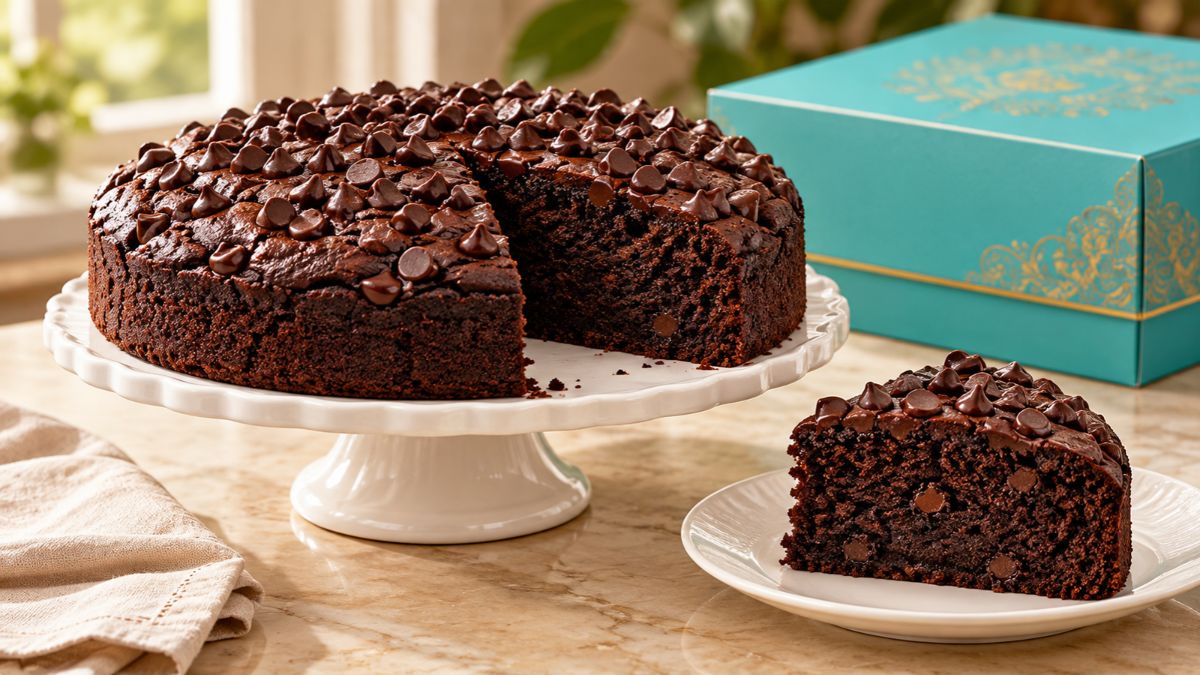
Shopping for sugar free cakes can involve quite a few decisions beyond choosing chocolate or vanilla. Sweeteners, ingredients, cake size, dietary labeling, allergens, storage, and shipping can all affect which dessert fits your needs. Andy Anand sells several sugar-free cake varieties, giving online shoppers different flavors and cake styles to research before placing an order.
You may also be deciding between ordering a prepared dessert and following a sugar free cake recipe yourself. Looking at the details below can help you compare those choices and determine what makes sense for your celebration, gift, or household.
1. Start by Comparing the Sugar Free Cakes Available
Not all sugar free cakes use the same recipe, sweetening system, filling, frosting, or base ingredients. Two products carrying the same dietary description can be quite different once you read their ingredient lists and product information.
Andy Anand currently has a dedicated selection of sugar-free cakes. The company lists several flavor styles, including chocolate, fruit, carrot, nut, and layered desserts.

Start your research by deciding which general cake style suits the occasion.
Chocolate-based cakes may suit someone who prefers cocoa-forward desserts, while fruit varieties can provide a different flavor profile. Carrot and nut-based cakes give you another direction to research.
For a gift, the recipient’s preferences deserve particular attention. A dietary label may narrow the selection, but flavor still plays a major role in whether the dessert fits the person receiving it.
You should then compare product size, listed ingredients, sweetener information, allergen statements, storage instructions, and shipping details.
2. Understand What Sugar-Free Actually Means
Food-label terminology can be confusing, particularly when several similar phrases appear during your research.
In the United States, “sugar-free” has a defined regulatory meaning. Under FDA labeling rules, a food carrying a sugar-free claim generally must contain less than 0.5 grams of sugars per labeled serving and per reference amount customarily consumed, subject to applicable requirements.
That definition matters because sugar-free does not mean the food contains no carbohydrates, calories, or other nutrients that may matter to you.
It also shouldn’t automatically be treated as another name for a low sugar cake. Different nutrition claims have specific labeling requirements.
When you’re comparing products online, read beyond the large dietary claim in the product title. Look for nutrition information and ingredient details provided for the exact item.
This gives you better context about what you’re buying and makes comparisons between products easier.
3. Find Out Which Sweeteners Are Used
If conventional sugar isn’t being used as the primary sweetener, another sweetening approach is needed to create the desired flavor.
Andy Anand states that its sugar-free gourmet cake selection uses erythritol and stevia as sweeteners. This is information supplied by the manufacturer and shouldn’t be assumed to apply to every sugar-free dessert from other companies.
Stevia-derived sweeteners and erythritol differ from traditional table sugar in their characteristics. They can also taste different depending on the recipe and the other ingredients used.
Personal preference matters here.
Some people are accustomed to alternative sweeteners, while others prefer particular types. If you already know you like or dislike a specific sweetener, check the product information before ordering.
Reading the ingredient list is especially worthwhile when you’re purchasing a whole cake rather than an individual serving.
4. Don’t Use Sugar-Free as a Complete Nutrition Description
The words “sugar-free” provide information about sugar content under applicable labeling rules. They don’t provide a complete description of the food’s nutritional content.
A cake can still contain carbohydrates from flour, fruit, dairy ingredients, starches, or other components.
This becomes particularly relevant when someone searches for a diabetic cake.
Andy Anand uses diabetic-friendly terminology for some of its products. That wording is a manufacturer description. Individual nutritional and medical requirements can differ considerably, so the term shouldn’t replace a review of the available nutrition information or individualized healthcare guidance.
The American Diabetes Association advises people reading nutrition labels to pay attention to total carbohydrate rather than looking only at sugar.
If you’re purchasing dessert for someone who manages diabetes, check the serving size, total carbohydrate information, ingredients, and sweeteners when those details are provided.
For questions about how a particular food fits an individual’s medical diet, advice from a qualified healthcare professional is preferable to relying on a marketing description.
5. Compare Flavors With the Occasion in Mind
After addressing dietary requirements, turn your attention to flavor.
Andy Anand’s sugar-free range has included several dessert styles, giving shoppers alternatives to a single basic cake flavor.
Think about who will eat the dessert and why you’re buying it.
For a birthday, you might prioritize the recipient’s favorite flavor. For a family gathering, a broadly familiar cake style may suit the group. When sending a gift, you may want to research flavors the recipient has enjoyed previously.
Appearance can influence your decision as well, particularly for celebrations. Still, photographs shouldn’t replace reading the product description. Online images don’t always tell you the cake’s dimensions, weight, filling, ingredients, or serving needs.
Use photos to assess presentation, then use the written specifications to evaluate practical details.
6. Compare Ordering a Cake With Baking One Yourself
Buying a prepared dessert can save you from sourcing ingredients, preparing batter, baking, cooling, filling, frosting, and decorating a cake yourself.
Home baking has its own advantages, particularly when ingredient control matters.
Looking through free sugar free cake recipes can help you see how home recipes approach sweetening and which ingredients you would need to purchase.
When deciding between the two routes, think about your schedule and baking experience.
Ordering may suit you when:
- You don’t have time to bake and decorate.
- You want a cake style you don’t normally make.
- You’re sending the dessert as a gift.
- You don’t have the necessary baking equipment.
- You prefer the convenience of a prepared dessert.
Baking at home may suit you when:
- You want direct control over every ingredient.
- You enjoy baking.
- You need to modify a recipe for personal preferences.
- You want to choose your own sweetening ingredients.
- You have enough preparation time before the event.
Neither approach automatically produces the right choice for every shopper. Your priorities determine which route makes sense.
7. Pay Attention to Cake Size and Weight
One of the easiest mistakes when ordering food online is judging size from a photograph.
Product photography is designed to show the item clearly, so it may not provide an accurate visual sense of scale.
Check the dimensions and weight stated on the individual Andy Anand product page instead.
Cakes with a similar diameter can differ in height, density, filling, frosting, decoration, and weight. Those differences can influence how you plan to serve them.
If you’re purchasing for a group, think about the number of guests and your intended portion sizes.
You may also have other desserts at the event. A cake served alongside cookies, fruit, or other sweets may be portioned differently from one serving as the main dessert.
Don’t rely on a generic serving assumption when the manufacturer provides product-specific details that can help you plan.
8. Review the Ingredient List Before Buying
The absence of conventional sugar may be only one of your dietary requirements.
A cake can contain flour, eggs, milk, nuts, fruit, chocolate, sweeteners, and other ingredients depending on the recipe.
Check the ingredient information for the exact product you’re researching, especially when you’re purchasing for someone else.
This matters even if the cake has several dietary terms in its title.
For example, sugar-free and gluten-free describe different characteristics. One label doesn’t automatically establish that a food satisfies an unrelated dietary requirement.
Allergies require particular care. If you or the recipient has a serious food allergy and the online information doesn’t clearly answer your questions, contact the manufacturer before ordering.
Don’t infer allergen safety from a photograph, flavor name, or dietary marketing phrase.
9. Check Nutrition Information When It Matters to Your Diet
Nutrition labels can provide context that product titles cannot.
If nutrition information is available, review serving size, total carbohydrates, sugars, fat, protein, and other values relevant to your dietary needs.
People searching for sugar free cake recipes for diabetics may be doing so because they want tighter control over ingredients, serving size, or carbohydrate content.
Home preparation can make ingredient selection easier to control because you decide exactly what goes into the recipe. However, the nutritional characteristics still depend on the ingredients and quantities used.
A commercially prepared cake can be assessed in a similar way when adequate nutrition information is provided.
Rather than deciding based on one dietary phrase, assess the full information relevant to you.
10. Check Storage, Shipping, and Delivery Details
Cake shopping online adds practical factors you wouldn’t face when picking up a dessert from a nearby bakery.
Check the seller’s current shipping information before ordering. Delivery policies, eligible destinations, packaging methods, and timing can change.
Storage instructions deserve attention too.
Some desserts may require refrigeration or specific handling after delivery. Follow the instructions supplied for the product rather than assuming every cake can be stored the same way.
If you’re buying for an event, think about when you need the dessert and where you’ll keep it before serving.
For a gift, verify the recipient can receive and appropriately store the package.
These practical details may not be as exciting as choosing a flavor, but they can heavily influence an online dessert purchase.
If a prepared dessert fits your plans, you can review Andy Anand’s current sugar-free cake selection and compare individual product details before ordering.
Sugar-Free Cake vs. Traditional Cake: What Changes?
Sweetening is one of the main differences between a conventional cake and a recipe developed without conventional added sugar.
Sugar does several jobs in baking. Along with sweetness, it can contribute to browning, moisture retention, texture, and structure.
That means replacing it isn’t always as straightforward as removing one ingredient and adding another in the same quantity.
Different sweeteners have different properties, which is why recipes designed specifically around their chosen ingredients can be easier to follow than modifying a conventional recipe without guidance.
This also explains why two sugar-free cakes can have noticeably different textures and flavors even though they carry the same general dietary description.
Should You Choose Clear Dietary Labels Over Flavor?
Dietary requirements should be checked first when they affect health, allergies, or personal food choices.
After confirming that a product fits those requirements, flavor becomes an important part of the purchase.
There’s little benefit in choosing a cake solely because its label matches a search term if the recipient doesn’t enjoy the flavor or ingredients.
A practical selection process looks at both sides: dietary information first, then flavor, size, presentation, and occasion.
Are Andy Anand Sugar-Free Cakes Suitable for Gifts?
Andy Anand markets many of its desserts for gifting and celebrations.
If you’re sending a cake directly to someone, research the product as both food and a delivered gift.
Check the recipient’s dietary requirements and flavor preferences first. Then verify the current delivery information and any storage directions.
You may also want to know whether the recipient will be home around the expected delivery period, particularly when the product has specific storage requirements.
For birthday gifting, check product information early enough to understand the company’s current shipping process without assuming a particular arrival date.
Are Sugar-Free Cakes Automatically Keto-Friendly?
No. Don’t assume that a sugar-free label automatically means a product fits a ketogenic eating plan.
Sugar content is only one consideration. Other ingredients can contribute carbohydrates.
If a product is specifically marketed as keto, review the manufacturer’s nutrition information and ingredients rather than inferring suitability from the sugar-free claim.
The same rule works in reverse: don’t assume every item within a brand’s sugar-free collection carries identical dietary claims.
Check the individual product.
What Should You Look for in an Online Cake Listing?
A useful product page should give you enough information to make a sensible comparison.
Before placing an order, look for details such as:
- Cake flavor
- Listed size or dimensions
- Weight, when provided
- Ingredients
- Sweeteners
- Nutrition information, when available
- Allergen information
- Dietary claims
- Storage directions
- Shipping information
- Product photographs
If information that’s important to your purchase isn’t provided, don’t guess. Contact the seller for clarification.
A Practical Checklist Before Ordering Andy Anand Sugar-Free Cakes
Before deciding, ask yourself a few final questions.
Does the flavor suit the recipient?
Start with personal preference after confirming dietary requirements.
Have you checked the sweeteners?
Review the ingredients rather than assuming all sugar-free products use the same alternatives.
Do you know the cake’s size?
Use the listed dimensions and weight instead of judging from photographs.
Have you reviewed dietary information?
Check the relevant nutrition and ingredient details for your needs.
Are there food allergies to account for?
Read allergen information carefully and contact the manufacturer when clarification is needed.
Do you understand the storage requirements?
Know where the cake needs to be kept once it arrives.
Have you checked current shipping information?
Use Andy Anand’s current policies when planning for a particular occasion.
Would homemade work better for your needs?
If ingredient control is your priority, compare buying a prepared cake with baking one yourself.
Choosing an Andy Anand Cake That Fits Your Needs
Buying a sugar-free dessert online becomes easier when you separate dietary requirements from general preferences.
First, verify the product’s ingredients, sweeteners, nutrition information, and any dietary claims that matter to you. Then compare flavor, size, presentation, storage requirements, and delivery details.
Andy Anand gives shoppers several cake styles to research, so you don’t have to base your decision solely on the sugar-free label. Comparing individual listings can help you find a dessert that suits the recipient and the occasion.
For anyone with specific medical dietary requirements, product marketing shouldn’t replace professional dietary guidance. For everyone else, a careful look at the label and current product information can make choosing a cake much simpler.