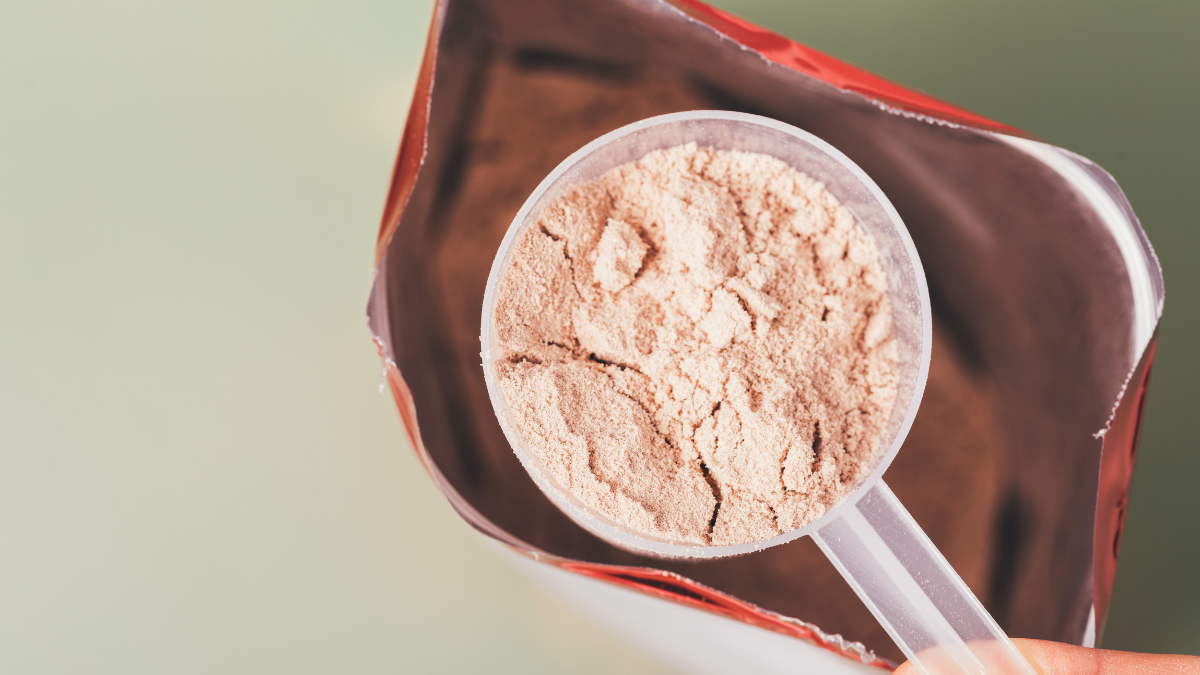
Protein Supplements can be useful when your regular meals do not provide enough protein for your training schedule, dietary needs, or daily routine.
With powders made from dairy, plants, eggs, and other sources, choosing the right product can take some comparison.
The best option for you depends on protein source, serving size, added ingredients, sugar, digestion, testing, and price per serving.
Checking these factors can help you avoid paying extra for features that do not support your goals.

What Should You Know About Protein Supplements Before Buying?
Protein needs can vary based on body size, activity level, training intensity, and total food intake. NIH guidance notes that athletes may need roughly 1.2 to 2.0 grams of protein per kilogram of body weight each day.
High-quality protein taken after exercise can support muscle repair and adaptation.
A powder can help fill a dietary gap, yet regular foods such as eggs, dairy, poultry, seafood, beans, and nuts can provide protein as well.
A supplement is mainly a convenient option when meals are difficult to prepare or your daily target is harder to reach through food alone.
Common Types of Protein Products
Different protein sources have different digestion rates, amino acid profiles, textures, and dietary considerations.
| Protein Type | Common Characteristics | May Suit |
|---|---|---|
| Whey concentrate | Dairy-based and commonly available | General fitness use |
| Whey isolate | Higher protein concentration with reduced lactose | People seeking a leaner dairy-based option |
| Casein | Digests slower than whey | Longer gaps between meals |
| Soy | Plant-derived source with a strong amino acid profile | Dairy-free diets |
| Pea | Plant-derived and widely used | Vegan or dairy-free diets |
| Rice | Often paired with another plant source | People avoiding dairy or soy |
| Egg white | Dairy-free animal protein | People who tolerate eggs |
NIH notes that whey is a complete milk-derived protein and that casein digests slower than whey. Plant sources can differ in their essential amino acid profiles, which is one reason some products use complementary plant sources.
Whey Protein Powder
A whey protein powder can be a practical option if you tolerate dairy and want a protein source that digests relatively quickly.
Whey products generally come as concentrate, isolate, or hydrolyzed forms. Concentrate can contain slightly higher levels of lactose and fat, while isolate typically contains a higher percentage of protein by weight.
Check the nutrition panel rather than assuming that a higher-priced version automatically suits your needs better.
Plant-Based Protein
A plant-based protein can suit vegan diets, dairy-free diets, or anyone who prefers non-dairy protein sources.
Pea, soy, rice, and other plant proteins are common. Some formulas combine two sources to improve the overall amino acid profile.
Texture can vary between plant products, so serving size, flavor, sweetener type, and ingredient list are useful comparison points.
How Much Protein Should a Serving Provide?
Many powders provide roughly 20 to 30 grams of protein per serving, although the amount varies by product.
For athletes, NIH cites sports nutrition recommendations of roughly 0.3 grams of high-quality protein per kilogram of body weight after exercise, followed by protein intake every three to five hours during the day.
Your total daily intake matters as much as one serving. A larger scoop does not automatically make a product better if your meals already provide enough protein.
What Should You Check on the Label?
The FDA requires dietary supplement labels to include key information such as serving size, servings per container, dietary ingredients, amounts per serving, and other ingredients.
Before buying, check:
- Grams of protein per serving
- Serving size
- Calories per serving
- Total carbohydrates
- Added sugars
- Fat content
- Sweeteners
- Allergens
- Ingredient list
- Servings per container
These details help you compare products using actual serving information instead of front-label marketing claims.
Protein Powder for Muscle Gain
A protein powder for muscle gain should provide enough high-quality protein to support your total daily intake rather than rely on flashy claims.
Protein supports muscle repair and growth when paired with resistance training and adequate energy intake. NIH states that sufficient protein helps support recovery and training adaptation.
Check the protein amount first. Added carbohydrates can be useful for some high-calorie training plans, yet they may be unnecessary if your regular meals already provide enough calories.
Questions to Ask Before Buying
- How many grams of protein are in each serving?
- Does the serving size fit your daily target?
- Are added carbohydrates useful for your current goal?
- Does the product contain ingredients you do not need?
- How much does each serving actually cost?
Low-Sugar Protein Powder
A low-sugar protein powder can be useful if you want tighter control over added sugars or total calories.
Some flavored powders contain added sugar, while others use low-calorie sweeteners. Neither approach automatically makes a product suitable for you.
Check the full nutrition panel and ingredient list. A product with low sugar can still contain extra fats, thickeners, or flavoring ingredients that affect calories and digestion.
Why Third-Party Testing Matters
A third-party tested protein powder can provide added confidence that the product has undergone outside testing for label accuracy or certain contaminants.
NSF states that its Certified for Sport program checks products for banned substances and verifies that tested products match their label claims. NSF also maintains a searchable database of certified products.
This can matter especially for competitive athletes who are subject to anti-doping rules.
Certification does not mean a product is necessary for your diet. It simply adds an independent quality-control check.
How to Compare Protein Supplements by Value
Price per tub can be misleading because container sizes and serving counts vary.
Use this simple calculation:
Container price ÷ number of servings = cost per serving
Then compare:
| Factor | What to Check |
|---|---|
| Protein amount | Grams per serving |
| Container size | Total servings |
| Cost | Price per serving |
| Ingredients | Added sweeteners, flavors, thickeners |
| Testing | Independent certification |
| Diet fit | Dairy, vegan, soy, egg, or allergen needs |
A cheaper container may have fewer servings or less protein per scoop. A higher-priced product may still provide good value if each serving delivers the amount you need with fewer unwanted ingredients.
Concentrate vs Isolate: Which One Should You Pick?
Whey concentrate often costs less and can work well for many people.
Whey isolate usually contains a higher percentage of protein by weight and tends to contain less lactose. That can make it suitable for people who want a leaner formula or who have difficulty tolerating larger amounts of lactose.
Your choice should depend on tolerance, budget, protein needs, and ingredient preferences rather than the product name alone.
Does Flavor Matter When Choosing Protein Powder?
Yes. A product only provides value if you can comfortably use it as planned.
Before buying a large container, check:
- Flavor options
- Sweetener type
- Mixing instructions
- Texture
- Scoop size
- Return policy
- Sample availability
Reviews can help identify recurring comments about flavor and texture, though taste is highly personal.
Should You Pay Extra for Added Ingredients?
Some protein products include creatine, digestive enzymes, vitamins, amino acids, caffeine, or herbal ingredients.
Added ingredients can raise the price without improving the product for your specific needs.
Check the amount of every active ingredient. Small quantities may have little practical value, while stimulant ingredients can affect when you can comfortably use the product.
A simpler formula can make it easier to track exactly what you are taking.
Final Buying Checklist
Before purchasing a protein product, verify:
- Protein source
- Protein grams per serving
- Serving size
- Calories
- Added sugar
- Allergen information
- Sweeteners and flavoring ingredients
- Independent testing
- Number of servings
- Cost per serving
- Return policy
- Expiration date
Checking these details side by side can help you choose a product based on your actual needs instead of packaging claims.
Frequently Asked Questions
Are Protein Supplements necessary for building muscle?
No. You can get adequate protein from regular food. A powder can be convenient if reaching your daily protein target through meals is difficult.
Is whey better than plant protein?
Neither option is automatically better for everyone. Whey provides a complete amino acid profile, while suitable plant formulas can support protein intake for people avoiding dairy. Your diet, tolerance, and preferences should guide your choice.
When should you take protein?
Protein consumed after exercise can support recovery, though total daily protein intake remains important. NIH references recommendations for high-quality protein within the early recovery period after training.
Is expensive protein powder always higher quality?
No. Compare protein content, ingredients, serving count, testing, and cost per serving. Price alone does not confirm quality.
Should athletes look for certified products?
Competitive athletes may benefit from products tested for prohibited substances. NSF Certified for Sport checks certified products against banned-substance requirements and verifies label claims.
Choosing Protein Supplements Based on Your Actual Needs
The best Protein Supplements should fit your protein target, dietary preferences, digestion, budget, and training routine.
Compare the protein source, grams per serving, ingredient list, sugar, certification, and cost before choosing a product.
A careful label check can help you avoid paying for ingredients you do not need while making it easier to select a product that fits comfortably into your daily nutrition plan.