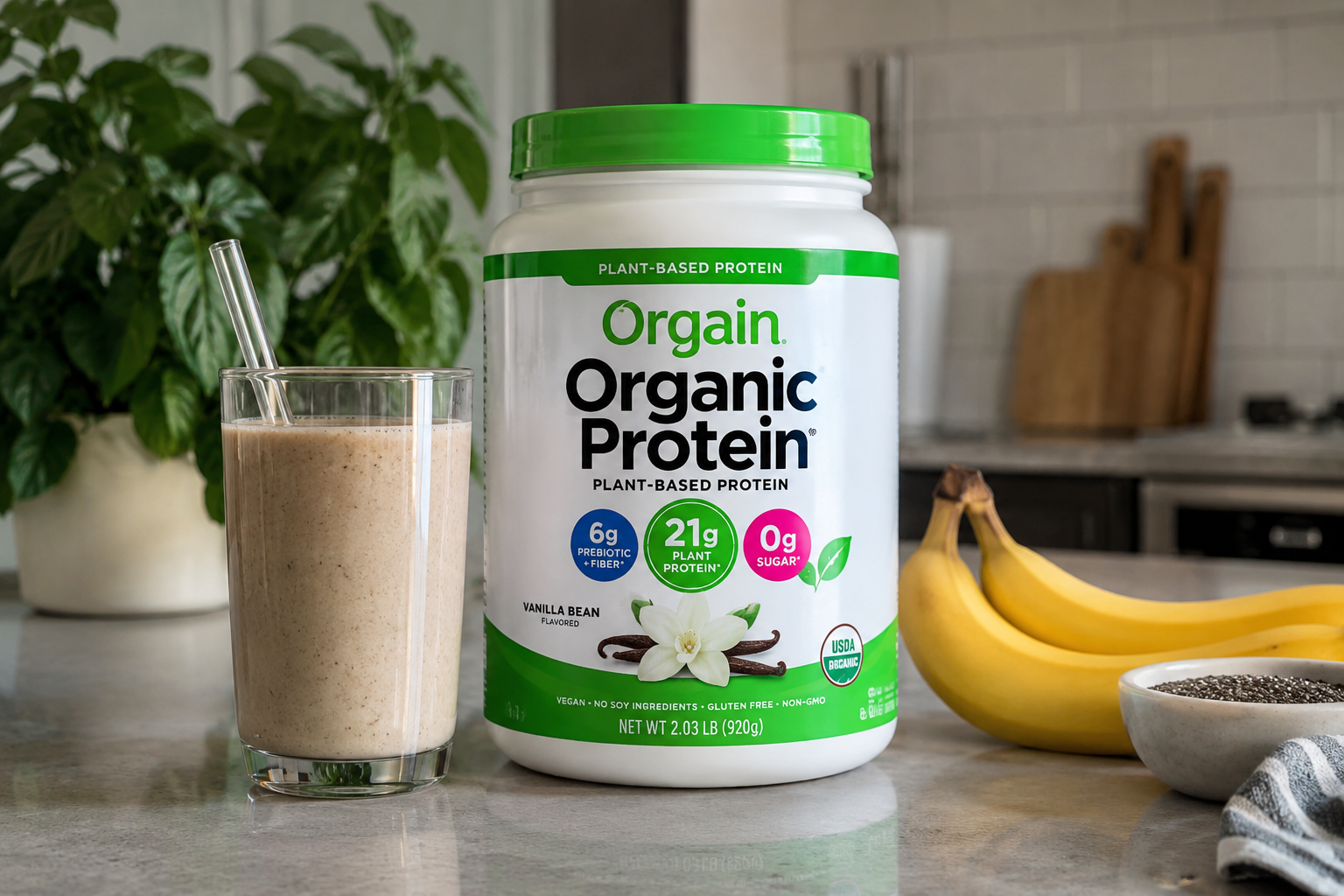
Choosing a vegan protein powder can seem straightforward until you start comparing protein sources, serving sizes, ingredient lists, flavors, sweeteners, and prices. Some powders rely on a single plant source, while others combine several proteins to create a broader amino acid profile.
The right choice depends on how you plan to use it. You might want a convenient post-workout shake, an easy way to add protein to breakfast, or a dairy-free alternative that fits your everyday diet. Instead of focusing on bold marketing claims, compare the nutritional label, ingredients, protein source, taste, and cost per serving.
What Should You Look for in a Vegan Protein Powder?
When comparing vegan protein powder, start with the protein source and the amount of protein provided per serving. Plant proteins commonly used in powders include pea, soy, rice, hemp, and combinations of different sources.
Your overall protein requirements depend on factors such as body size, diet, activity level, age, and individual circumstances. The U.S. adult Recommended Dietary Allowance is 0.8 grams of protein per kilogram of body weight per day for generally healthy adults, although individual needs can vary.

A useful comparison should consider:
- Protein grams per serving
- Serving size
- Protein source or blend
- Calories per serving
- Added sugars and sweeteners
- Allergens
- Additional vitamins or minerals
- Number of servings per container
- Price per serving
- Flavor and texture
A plant-based protein powder that looks inexpensive by container price may cost more per serving than a larger product with a higher protein concentration. Comparing like for like gives you a much clearer picture of value.
Which Plant Protein Sources Are Common?
Different plant proteins have different nutritional characteristics, textures, and flavors. This can make the protein source one of the most useful features to compare.
Pea Protein
Pea protein powder is commonly derived from yellow peas. It is widely used on its own and in blended formulas. Its amino acid composition differs from whey, which is one reason manufacturers sometimes combine pea with other plant proteins. FDA documentation comparing pea, whey, and soy illustrates these differences in individual amino acid levels.
Pea-based products can have an earthy flavor, although flavored formulations may mask it considerably.
Soy Protein
Soy is another common option. It can provide substantial protein in a relatively small serving and works well in shakes, smoothies, and recipes.
If you have a soy allergy or specifically prefer soy-free products, check both the ingredient statement and allergen information rather than relying only on front-of-package marketing.
Rice Protein
Rice protein is frequently paired with other plant sources. Its relatively mild character can make it useful in blended products.
Texture varies considerably between formulations, so reviews discussing grittiness and mixability can be particularly useful before buying a large container.
Hemp Protein
Hemp-derived powders can have a more distinctive earthy or nutty flavor. Their nutritional composition may also differ considerably from highly refined protein isolates, so compare the label rather than assuming every scoop provides similar protein levels.
Protein Blends
Some products combine pea, rice, seeds, or other plant sources. A blend can offer a different amino acid profile and texture compared with a single-source formula.
However, having more ingredients does not automatically make a product better. The overall nutrition, formulation, taste, and suitability for your diet matter more than the length of the ingredient list.
Vegan Protein Powder vs. Whey: What Is the Difference?
The most obvious difference is the source. Whey comes from milk, while vegan alternatives use plant-derived ingredients.
That makes a dairy-free protein powder particularly relevant if you follow a vegan diet or intentionally avoid dairy products.
Plant and whey proteins can also differ in amino acid composition. For example, FDA documentation comparing specific protein ingredients shows that whey contains a different proportion of several amino acids compared with pea and soy proteins.
Rather than assuming one category is automatically superior, look at your dietary preferences, total daily protein intake, serving size, ingredients, and how easily the product fits into your routine.
How Much Protein Should a Powder Provide?
There is no single ideal amount that every scoop needs to contain.
Instead, think about how the product contributes to your total daily diet. For healthy adults, the established RDA is 0.8 grams of protein per kilogram of body weight per day. Needs can differ according to life stage, physical activity and other factors.
For example, a person weighing 70 kilograms would reach 56 grams at the 0.8 g/kg RDA level.
That does not mean you need to get those 56 grams from powder. Protein supplements are better viewed as one convenient source alongside foods such as beans, lentils, tofu, tempeh, nuts, seeds, grains, and other protein-containing foods.
Is Vegan Protein Powder Useful for Exercise?
It can be a convenient way to add protein to your diet when you train regularly, particularly if preparing a protein-rich meal immediately after exercise is inconvenient.
However, a vegan protein supplement does not replace the fundamentals of a balanced diet and appropriate training.
If your goal is plant protein for muscle recovery, consider the amount and quality of protein across your entire diet instead of concentrating exclusively on your post-workout shake. Your training program, energy intake, sleep, and overall nutrition also matter.
A powder is mainly useful because it provides a portable and relatively simple way to increase protein intake.
How Do You Compare Ingredient Lists?
Turn the container around before making your decision.
Ingredient lists can tell you much more than front-label phrases. Depending on the formulation, you may see protein isolates or concentrates followed by flavorings, gums, emulsifiers, sweeteners, vitamins, minerals, or digestive-enzyme blends.
FDA guidance requires non-dietary ingredients used in dietary supplements, such as fillers and binders, to appear in the ingredient statement.
A shorter ingredient list may appeal to you, but shorter does not inherently mean more nutritious. Focus on what each ingredient contributes and whether it matches your preferences.
Should You Choose Flavored or Unflavored Protein?
That depends largely on how you plan to use it.
Flavored powders are convenient when you normally mix protein with water or plant-based milk. Chocolate, vanilla, coffee, berry, and dessert-inspired varieties can make a simple shake more enjoyable.
Unflavored powder provides greater flexibility for cooking and blending. You can add it to:
- Smoothies
- Oatmeal
- Pancake batter
- Homemade snack bars
- Baked goods
- Breakfast bowls
Keep in mind that “unflavored” does not necessarily mean tasteless. Plant proteins can naturally have earthy, nutty, or slightly vegetal notes.
What About Sugar and Sweeteners?
Check the Nutrition Facts or Supplement Facts panel and ingredient list.
Some flavored products contain added sugar, while others use alternative sweeteners. Neither choice automatically determines overall product quality. Your decision may simply come down to taste preferences and how the powder fits within your diet.
If you dislike strong sweetness, an unflavored or lightly flavored product may be easier to use consistently.
How Important Is Third-Party Testing?
Testing can be especially relevant when comparing supplements.
In the United States, dietary supplements are regulated differently from conventional foods and drugs. Manufacturers and distributors are responsible for evaluating product safety and ensuring labeling complies with applicable requirements before products are marketed; FDA can take action against adulterated or misbranded supplements after they enter the market.
When evaluating a protein powder for vegans, look for transparent labeling and clearly identified testing or certification information. If a company says its product has been independently tested, check who performed the testing and what the certification actually covers.
Also remember that a “vegan” label is a labeling claim rather than FDA premarket approval of the product. FDA states that claims such as “vegan” do not require premarket or postmarket submissions, although they must be truthful and not misleading.
How Can You Compare Value for Money?
Do not judge value solely by container price.
Consider these three numbers together:
Price per serving: Divide the total price by the number of servings.
Protein per serving: Check how many grams of protein you receive with each recommended serving.
Serving size: One brand may require a considerably larger scoop than another to provide a similar amount of protein.
For example, a $30 container with 20 servings costs $1.50 per serving, while a $40 container with 30 servings costs about $1.33 per serving. The larger container is more expensive upfront but cheaper on a serving basis.
Then compare protein content and ingredient quality before deciding which offers better practical value.
Which Vegan Protein Powder Is Best for Your Needs?
There is no universal winner because different buyers prioritize different things.
| Your Priority | Features Worth Comparing |
|---|---|
| Everyday smoothies | Mixability, flavor, protein per serving |
| Exercise | Protein amount, amino acid profile, serving size |
| Dairy avoidance | Ingredient and allergen information |
| Simple recipes | Unflavored formulas and neutral texture |
| Budget | Cost per serving and protein per serving |
| Fewer ingredients | Ingredient list and sweetener choice |
| Dietary restrictions | Allergen statements and certifications |
Your best option is the one that meets your nutritional needs, fits your budget, tastes acceptable to you, and is convenient enough to use regularly.
Frequently Asked Questions
Can You Use Vegan Protein Powder Every Day?
Protein powder can be incorporated into an everyday diet, but it should complement rather than automatically replace varied whole-food protein sources. Follow the product directions and consider your total dietary intake.
Is Vegan Protein Powder Only for Vegans?
No. Someone who eats animal products may still choose plant protein because of taste, dietary preferences, dairy avoidance, or simply wanting more plant-derived foods.
Can You Cook With Vegan Protein Powder?
Yes. Many powders can be mixed into oatmeal, pancakes, baked goods, smoothies, and snack recipes. Heating may change texture and flavor, so recipes developed specifically for protein powder usually give more predictable results.
Is More Protein Per Scoop Always Better?
Not necessarily. A higher-protein serving may be useful, but serving size, calories, ingredients, taste, price, and your overall dietary protein intake should also influence your choice.
Does Every Vegan Protein Powder Taste the Same?
No. Flavor and texture can vary significantly according to the protein source, processing method, flavorings, sweeteners, and other ingredients. Trying a smaller container or sample size can reduce the risk of buying a large tub you dislike.
Making Vegan Protein Powder Part of a Balanced Diet
Choosing a vegan protein powder becomes easier when you ignore flashy front-label language and concentrate on measurable details.
Start with the protein source and protein per serving. Then compare ingredients, sweeteners, allergens, serving size, certifications, flavor, and cost per serving. Think about how you will actually use the powder, too. A highly specialized formula offers little practical value if you dislike the taste or texture enough that it sits unused in your cupboard.