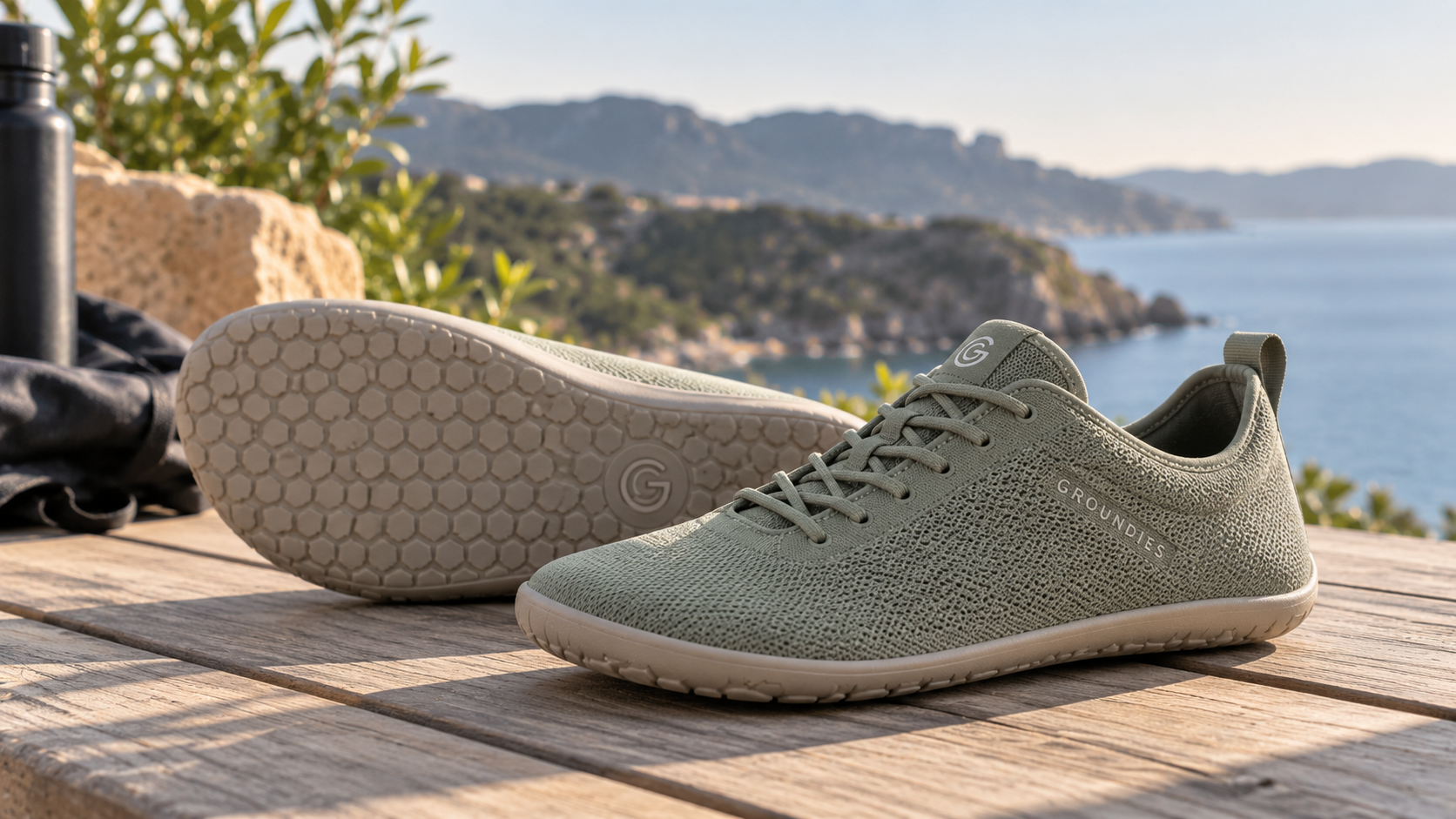
If you are comparing barefoot shoes, you will quickly notice that they look and feel different from conventional footwear. Many designs use thin soles, roomy toe areas, minimal heel elevation, and flexible materials to create a less restrictive feel. However, not every pair offers the same fit, durability, traction, or intended use.
Before buying, it helps to understand which features matter for your activities, how sizing can vary, and what separates everyday models from options designed for running, hiking, or training.
Barefoot Shoes: What Features Should You Compare Before Buying?
Barefoot footwear generally aims to reduce the amount of structure between your feet and the ground. Compared with many conventional sneakers, these shoes commonly have thinner soles, little or no difference in height between the heel and forefoot, and more room around the toes.
Still, the term covers a broad range of products. Some models are extremely thin and flexible, while others provide slightly more cushioning or protection for pavement, trails, and everyday walking.

When comparing your options, focus on practical features rather than the product label alone. Consider:
- Sole thickness and flexibility
- Heel-to-toe height difference
- Toe box shape and width
- Overall weight
- Upper material and breathability
- Traction and outsole pattern
- Water resistance
- Intended activity
- Sizing and return policies
- Price and expected durability
These details can help you narrow down your choices based on how and where you plan to wear the shoes.
How Do Minimalist Shoes Differ From Conventional Footwear?
Minimalist shoes typically reduce some of the cushioning, support structures, and heel elevation commonly found in traditional athletic footwear. However, minimalist designs exist on a spectrum.
One pair might provide a thin outsole with almost no cushioning, while another may have moderate cushioning but retain a wide forefoot and low heel-to-toe difference.
Traditional shoes often use features such as elevated heels, substantial midsoles, rigid heel counters, or structured arch areas. Minimalist designs generally reduce some or most of these elements.
That does not automatically make one style better for everyone. Your comfort, activities, previous footwear habits, and personal fit requirements should guide your choice.
Why Does Heel-to-Toe Drop Matter?
Heel-to-toe drop describes the difference in height between the heel and forefoot of a shoe. Zero drop shoes place the heel and forefoot at approximately the same height.
This geometry is common in barefoot-style footwear, but it can feel noticeably different if you usually wear shoes with elevated heels.
When comparing products online, check the manufacturer’s specifications rather than assuming every minimalist model has zero drop. Some shoes marketed as minimalist still have a small heel-to-toe difference.
If you are switching from conventional footwear, gradually increasing your time in a different shoe design may be more comfortable than immediately using it for every activity.
What Should You Look for in the Toe Box?
Toe box shape is one of the most noticeable differences between conventional and barefoot-style footwear.
Many wide toe box shoes provide additional space around the forefoot, allowing your toes to sit in a less compressed position. However, “wide” can mean different things across manufacturers.
Pay attention to both width and shape. A shoe may technically be wide but still taper significantly toward the front.
This is one reason foot-shaped shoes may appeal to shoppers researching barefoot footwear. Their front profile generally follows a broader anatomical outline rather than narrowing sharply toward the toes.
Before ordering, measure both feet according to the manufacturer’s sizing instructions. Check the brand’s size chart because sizing can vary considerably between models and manufacturers.
How Important Is Sole Flexibility?
Sole construction influences how a shoe feels underfoot.
Flexible sole shoes can bend more easily than heavily structured footwear, but flexibility varies by product. A very thin sole may provide greater ground feedback, while a slightly thicker outsole may offer more separation from stones, rough pavement, or trail debris.
Think about where you will actually wear your shoes.
For smooth indoor surfaces or casual walking, a thin sole may suit your preferences. For rocky trails or rough urban environments, you may prefer additional outsole protection.
Also examine the tread pattern. Flexibility alone does not determine traction, so shoppers planning to use their footwear outdoors should compare outsole materials and lug patterns.
Are Barefoot-Style Shoes Suitable for Running?
Running footwear deserves additional consideration because changing shoe construction can also change how your feet and lower legs experience each stride.
Barefoot running shoes generally emphasize low weight, flexibility, minimal heel elevation, and a roomy forefoot. Some are designed primarily for roads, while others have more aggressive tread for trails.
If you are comparing running models, look closely at:
- Outsole traction
- Sole thickness
- Weight
- Upper breathability
- Toe protection
- Fit around the heel and midfoot
- Road or trail suitability
Do not choose a running shoe based only on appearance or sole thickness. Comfort and fit remain important, and changing footwear abruptly can place unfamiliar demands on your feet and lower legs.
Which Barefoot Shoe Type Fits Your Lifestyle?
Your intended use should be one of the first filters in your buying decision.
Everyday Walking
For daily errands, commuting, or casual wear, prioritize comfort, easy cleaning, and an outsole appropriate for pavement. A versatile design can make more sense than an extremely technical trail model.
Running
Look for models specifically designed for your preferred running environment. Road shoes usually prioritize lightweight construction and pavement contact, while trail designs commonly add deeper tread and more protection.
Gym and Strength Training
A low-profile shoe with a stable base may appeal to people who prefer less cushioning during certain gym activities. Check gym policies and choose footwear appropriate for your specific training.
Hiking and Trails
Trail footwear may need deeper lugs, abrasion-resistant materials, toe protection, and additional outsole coverage. Weather resistance can also matter if you regularly encounter wet conditions.
Work and Travel
For long days away from home, consider durability, appearance, packability, and the surfaces you expect to encounter. Some casual designs can transition between walking, travel, and everyday settings more easily than specialized athletic models.
What Materials Should You Compare?
Materials can affect breathability, weight, durability, maintenance, and weather performance.
Mesh and knitted uppers can provide ventilation and flexibility, making them common in athletic designs. Leather may provide a more traditional appearance and can suit casual or workplace settings, depending on the model.
Synthetic materials vary considerably. Some prioritize low weight and quick drying, while others focus on abrasion resistance or weather protection.
The outsole deserves equal attention. Rubber compounds and tread designs can influence grip and durability, particularly on wet pavement or uneven trails.
Check the manufacturer’s care instructions before washing your shoes. Not every model is suitable for machine washing.
How Much Should You Spend?
Price alone does not tell you how suitable a pair will be.
Instead of automatically choosing the least or most expensive option, compare what you receive for the price. A higher-priced pair may use specialized outsole compounds, durable upper materials, or activity-specific construction. A lower-priced model may still meet your needs for occasional casual use.
Consider cost per wear as well. A shoe you regularly use and find comfortable may offer more practical value than a cheaper pair that spends most of its time in your closet.
Return policies are particularly important when purchasing online because fit can vary between manufacturers.
How Can You Compare Barefoot Footwear Online?
Online product pages can make similar-looking shoes difficult to compare. A simple buying checklist can make the process easier.
Before adding a pair to your cart, check:
- Sizing information: Compare your foot measurements with the manufacturer’s current chart.
- Toe box dimensions: Look beyond labels such as “wide.”
- Heel-to-toe drop: Confirm the manufacturer’s specifications.
- Sole thickness: Consider how much ground feedback or protection you prefer.
- Outsole design: Match traction to pavement, gym flooring, or trails.
- Upper material: Consider breathability, weather resistance, and cleaning.
- Intended activity: Choose a model designed for how you expect to use it.
- Customer feedback: Look for recurring comments about sizing, durability, and fit rather than relying on a single review.
- Return policy: Check return windows and restrictions before ordering.
- Overall value: Compare features, expected use, and price instead of focusing on cost alone.
Should You Transition Gradually?
If you normally wear heavily cushioned or elevated footwear, a minimalist design can feel substantially different.
A gradual adjustment may be sensible. You could initially use the shoes for shorter periods and pay attention to comfort before increasing your walking, running, or training time.
There is no universal transition schedule that works for everyone. Your previous footwear, activity level, comfort, and individual needs can affect how you respond to a different shoe design.
Persistent pain is a reason to stop rather than push through discomfort. If you have an existing foot or lower-limb concern, personalized advice from a qualified healthcare professional may be appropriate before making a major footwear change.
Are Barefoot Shoes Worth Buying?
They may be worth considering if you prefer lightweight footwear, less restrictive toe space, low heel elevation, and greater sole flexibility. However, the best purchase depends on your feet, activities, environment, and comfort preferences.
Instead of buying based on the barefoot label alone, compare measurable features such as sole thickness, heel-to-toe drop, fit, materials, tread, and intended use.
The strongest buying decision is usually the pair that matches what you actually plan to do. A casual walking shoe, road-running model, and rugged trail shoe can all follow barefoot-inspired design principles while serving very different purposes.
Choosing Barefoot Shoes That Suit Your Activities and Preferences
Shopping for barefoot footwear becomes easier once you know which specifications deserve attention. Start with fit and intended use, then compare sole construction, toe space, traction, materials, durability, and price.
Most importantly, avoid assuming every minimalist design will feel the same. Checking measurements, technical specifications, customer feedback, and return conditions can help you make a more informed purchase and find footwear that better matches your everyday needs.