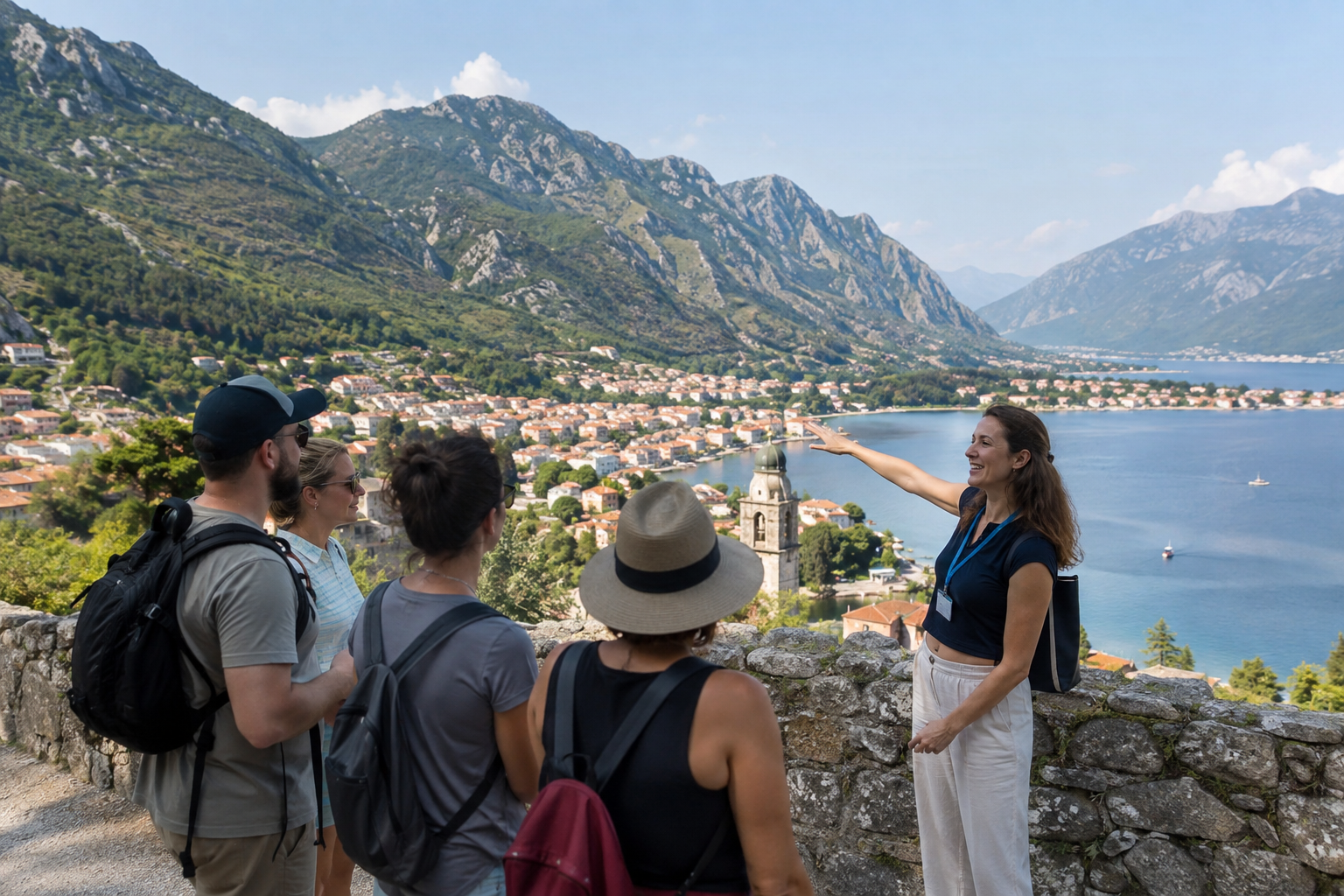
Travel can feel more rewarding when you have enough structure to explore confidently while still having space to enjoy each destination. Small group tours offer this balance by bringing together a limited number of travelers on an organized itinerary.
Compared with large tour groups, smaller groups may provide easier transportation, more interaction with guides, and better access to places where large buses or crowds can be difficult to accommodate. They can suit solo travelers, couples, friends, and anyone who prefers a more social yet manageable travel experience.
What Are Small Group Tours?
Small group tours are organized trips designed for a relatively limited number of participants. The exact group size varies between tour operators and destinations, so travelers should always check the maximum number of guests before booking.
These tours usually include a planned itinerary, a tour leader or local guide, transportation between selected destinations, and some included activities. Accommodation and certain meals may also be part of the package.

Unlike fully independent travel, much of the planning is handled in advance. However, many guided small group tours include free time for travelers to explore, shop, dine, or relax independently.
Why Small Group Tours Appeal to Different Travelers
One of the main advantages of traveling with fewer people is flexibility. Moving a smaller group between hotels, attractions, restaurants, and transportation points can be simpler than coordinating dozens of travelers.
The experience may also feel more personal. Guides can often spend more time answering questions and explaining local history, traditions, food, and everyday life.
For travelers interested in cultural travel experiences, smaller groups may make it easier to visit local markets, historic neighborhoods, family-run businesses, rural communities, and other locations that have limited space.
Easier Interaction With Local Guides
A knowledgeable guide can add valuable context to a destination. Instead of simply seeing a historic building or landmark, you can learn why it matters and how it connects with local culture.
Smaller groups can make conversations with guides easier. You may have more opportunities to ask questions or learn about details that are difficult to cover in a large-group setting.
More Manageable Group Travel
Large tours can require considerable coordination. Boarding buses, checking into hotels, entering attractions, and gathering everyone at meeting points may take additional time.
A small group travel experience can reduce some of these logistical challenges. Fewer travelers generally means fewer people to coordinate when moving between locations.
That does not mean every trip will run perfectly. Traffic, weather, transportation disruptions, attraction closures, and other unexpected circumstances can still affect an itinerary.
Small Group Tours Can Provide a Social Travel Experience
Traveling independently offers freedom, but some people prefer having companions along the way. Small group trips provide an opportunity to meet people while maintaining a more intimate group environment.
Shared meals, sightseeing excursions, walking tours, and transportation naturally create opportunities for conversation. At the same time, tours that include free periods allow travelers to spend part of the day independently.
What Can Be Included in a Small Group Tour?
Inclusions vary considerably, making it important to read the itinerary and booking conditions carefully.
A typical escorted travel tour may include:
- Accommodation for some or all nights
- Transportation specified in the itinerary
- A tour leader, guide, or local specialist
- Selected sightseeing activities
- Entrance to certain attractions
- Some breakfasts, lunches, or dinners
- Airport or station transfers when specified
- Organized walking or cultural tours
International flights, travel insurance, visas, optional excursions, tips, personal purchases, and some meals may cost extra.
Checking these details before booking makes it easier to calculate the realistic total cost of your trip.
How Small Group Tours Compare With Independent Travel
Independent travel gives you greater control over where you go, where you stay, and how long you spend in each place. However, that flexibility comes with additional planning.
You may need to research hotels, transportation, attraction tickets, restaurant options, opening hours, and travel routes separately.
Small group tours shift much of this planning to a tour operator. You follow an established itinerary while still potentially having opportunities for independent exploration.
Your best option depends on your travel style. If changing plans spontaneously is important to you, independent travel may offer greater freedom. If you prefer having transportation and major activities arranged ahead of time, an organized tour may be more convenient.
Choosing the Right Small Group Tour
Not every tour marketed as a small-group experience will provide the same type of trip. Looking beyond the destination and price can help you find an itinerary that matches your expectations.
Check the Maximum Group Size
The term “small group” can mean different things among travel companies. Check the actual maximum number of participants rather than relying on the description alone.
Consider how comfortable you would feel traveling, eating, sightseeing, and using transportation with that number of people.
Review the Daily Itinerary
Some adventure group tours involve early starts, long walks, frequent hotel changes, or physically demanding activities. Others focus on slower sightseeing with more free time.
Review each day rather than looking only at the destinations included.
Pay attention to:
- Daily transportation time
- Walking requirements
- Number of hotel changes
- Included activities
- Free time
- Optional excursions
- Physical activity levels
These details provide a clearer picture of what the trip will actually feel like.
Look Closely at Accommodation
Accommodation can significantly influence your overall experience. Check whether the itinerary uses hotels, guesthouses, lodges, hostels, or other properties.
You should also determine whether the advertised price assumes two travelers sharing a room. Solo travelers may encounter a single-room supplement, although policies vary by operator.
Understand What the Price Covers
A lower advertised price does not necessarily mean a lower overall travel cost.
Compare what each tour includes. One package might include several meals, attraction tickets, and local transportation, while another requires you to pay separately for those items.
Consider both the tour price and likely additional expenses before comparing options.
Consider the Pace of the Journey
Trying to see several destinations during one vacation can be exciting, but frequent travel days can become tiring.
When evaluating multi-day tours, check how long you will actually spend in each destination. An itinerary covering many cities in a short period may involve considerable time on buses, trains, or other transportation.
A slower itinerary may allow more time for local restaurants, neighborhoods, museums, markets, and spontaneous exploration.
The right pace depends on your priorities. Some travelers enjoy seeing as much as possible, while others prefer spending several days in each destination.
When Small Group Tours May Be Worth Considering
Small group travel can be useful when visiting destinations where transportation or logistics require more preparation. Having an organized itinerary may reduce the amount of research you need to complete before departure.
These trips may appeal to travelers who:
- Prefer traveling with a guide
- Enjoy meeting other travelers
- Want major transportation arrangements handled in advance
- Appreciate structured itineraries
- Want some independent time during an organized trip
- Prefer smaller groups over large coach tours
- Are visiting an unfamiliar destination
Still, organized group travel will not suit everyone. Travelers who strongly prefer spontaneous schedules may find a fixed itinerary restrictive.
Questions to Ask Before Booking
Before paying a deposit, review the tour operator’s terms and ask about anything that remains unclear.
Useful questions include:
- What is the maximum group size?
- What accommodation is included?
- Which meals are covered?
- Are attraction entrance fees included?
- How much free time is available?
- How physically demanding is the itinerary?
- Are airport transfers provided?
- What additional expenses should you expect?
- What are the cancellation and refund conditions?
- Is there a single supplement for solo travelers?
You should also check passport, visa, vaccination, insurance, and entry requirements relevant to your destination and circumstances using current official sources.
Making the Most of Small Group Travel
Even with an organized itinerary, a little preparation can make your trip more comfortable.
Read the itinerary before departure so you know which activities are planned and when you will have free time. Researching optional attractions or restaurants can help you make better use of independent periods.
Pack with the itinerary in mind as well. Comfortable walking shoes, weather-appropriate clothing, required travel documents, medication, and suitable luggage can make frequent travel days easier.
Most importantly, keep reasonable expectations. Organized tours provide structure, but travel remains unpredictable. Weather changes, transportation delays, local events, and attraction closures may occasionally require itinerary adjustments.
Small Group Tours Can Balance Structure With Exploration
Small group tours can offer a practical middle ground between independent travel and traditional large-group sightseeing. You receive the convenience of an organized itinerary while potentially enjoying a more personal group environment.
The best experience depends on choosing a tour that fits your preferred pace, budget, activity level, and travel style. Compare group sizes, accommodations, daily schedules, inclusions, and additional costs before booking.
With careful research, a smaller-group itinerary may give you more time to focus on what matters most: discovering new destinations, learning about local cultures, and enjoying the journey.