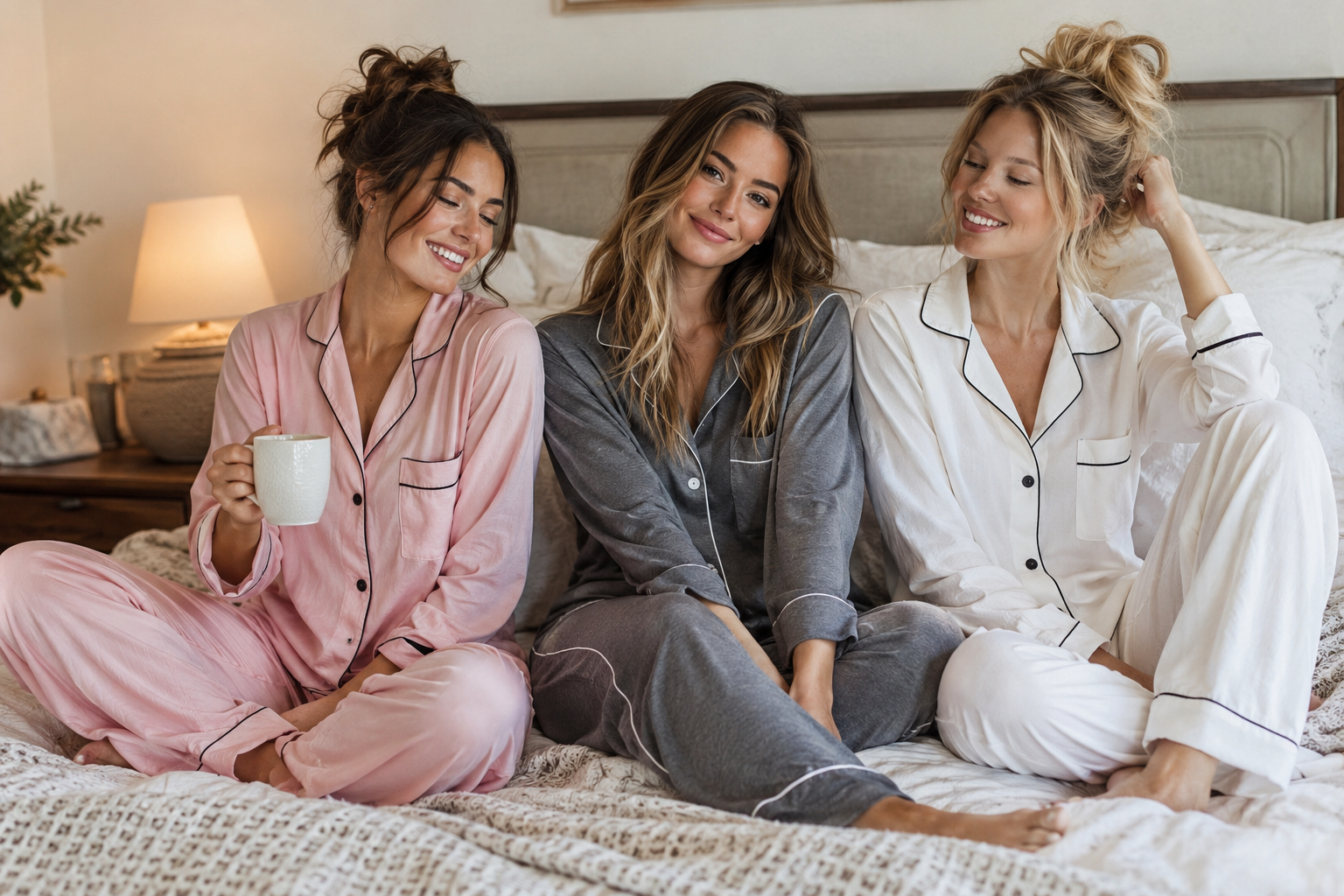
Finding sleepwear that feels comfortable at night and practical around the house can make your evening routine a little easier. Women’s pajama sets come in many fabrics, fits, and styles, giving you plenty of options for different seasons and personal preferences.
However, a set that looks appealing online may not necessarily feel right once you wear it. Fabric weight, breathability, sizing, construction, and care requirements can all affect your experience. Comparing these details before buying can help you narrow down your options and choose pajamas that suit how you actually sleep and relax.
What Should You Look for in Women’s Pajama Sets?
Start with comfort, but look beyond softness alone. The best choice for you depends on your sleeping environment, preferred fit, local climate, and how you plan to use the pajamas.
Consider these features while comparing options:

- Fabric: Check whether the material is breathable, insulating, stretchy, or moisture-managing.
- Fit: Decide between relaxed, regular, and closer-fitting silhouettes.
- Season: Lighter fabrics may work better during warmer months, while heavier materials can provide additional warmth in cooler conditions.
- Waistband: A comfortable elastic waistband should feel secure without digging into your skin.
- Closures: Buttons, drawstrings, and zippers can affect convenience and comfort.
- Care: Machine-washable fabrics may be easier to maintain for everyday use.
- Design: Pockets, collars, cuffs, and adjustable waistbands can add practical value.
Looking at these details together gives you a better basis for comparing products than choosing primarily by color or pattern.
Compare Pajama Fabrics Before You Buy
Material is one of the most important considerations because it affects breathability, warmth, texture, stretch, and maintenance.
Cotton
Cotton pajama sets for women are worth considering if breathability and familiar fabric texture are priorities. Cotton fibers can absorb moisture and allow air to circulate, although performance varies according to the weave and fabric weight.
Lightweight cotton may suit warm conditions, while thicker cotton fabrics can feel more substantial during cooler weather.
One consideration is shrinkage. Cotton garments can shrink during washing and drying, particularly when exposed to higher temperatures. Checking the manufacturer’s care instructions before laundering can help you maintain the intended fit.
Modal
Modal is a regenerated cellulose fiber commonly made from beechwood pulp. It is often used in sleepwear because it can create a smooth, soft fabric with good drape.
If you prefer pajamas that feel fluid rather than structured, modal blends may be worth comparing with traditional cotton options.
Linen
Linen is another breathable option, particularly for warm environments. It can feel crisp when new and often becomes softer with repeated washing.
However, linen wrinkles easily. If a neat, smooth appearance matters to you, this characteristic may influence your decision.
Flannel
Flannel refers to a fabric with a brushed surface rather than one particular fiber. Cotton flannel is commonly used for cold-weather pajamas because its brushed construction can provide a warmer feel.
The tradeoff is that heavier flannel may become uncomfortable if you tend to sleep hot.
Satin and Silky Fabrics
Satin describes a type of weave rather than a specific fiber. Satin pajamas may be made from polyester, silk, or other materials.
These fabrics can provide a smooth surface and dressier appearance. However, breathability, price, durability, and care requirements can vary significantly depending on the fiber content.
Think About How You Normally Sleep
Your sleeping habits can make certain pajama features more useful than others.
If you frequently feel warm during the night, lightweight pajamas for women made from breathable materials may be more comfortable than thick or heavily brushed fabrics. Short sleeves, shorts, loose silhouettes, and lightweight knits are also useful features to compare.
If you tend to feel cold, long sleeves and full-length pants may offer better coverage. You can also compare fabrics such as flannel and heavier cotton.
How Should Women’s Pajamas Fit?
There is no single correct pajama fit. Some people prefer loose sleepwear, while others find moderately fitted pieces easier to sleep in.
When shopping for soft pajamas for women, check more than the fabric description. Look at the garment measurements and consider how the fabric behaves.
A relaxed fit generally provides more room for movement. Stretchy jersey materials may work with a closer silhouette, while woven fabrics typically require enough ease around your body because they have less natural stretch.
Pay particular attention to:
- Shoulder width
- Sleeve length
- Waist measurement
- Hip measurement
- Rise
- Inseam
- Overall garment length
Do not assume that your usual size will fit identically across different retailers. Brand sizing can vary, making the specific size chart more useful than the letter or number printed on the label.
Pajama Sets Versus Separate Sleepwear Pieces
Sets can simplify shopping because the top and bottom are designed to coordinate. Separates, however, give you more flexibility when you need different sizes for your upper and lower body.
Matching pajama sets may be particularly useful when you want sleepwear that looks coordinated enough for lounging, traveling, or slow mornings at home. Common styles include button-front shirts with pants, T-shirts with shorts, camisoles with shorts, and long-sleeve tops with jogger-style bottoms.
Before choosing a set, consider whether you will regularly wear both pieces together. If you tend to mix different tops and bottoms, buying separates could offer more versatility.
Consider Your Climate and Bedroom Temperature
Season labels can be useful, but your actual sleeping environment matters more.
Air conditioning, heating, blankets, mattress materials, and personal temperature preferences can influence how warm or cool you feel overnight.
For warmer conditions, consider:
- Lightweight cotton
- Linen
- Modal blends
- Short sleeves
- Shorts
- Loose-fitting silhouettes
For cooler conditions, consider:
- Cotton flannel
- Brushed fabrics
- Long sleeves
- Full-length pants
- Heavier knits
Instead of buying purely according to the season, choose women’s sleepwear that works with the temperature of the room where you normally sleep.
Check Construction Quality Before Purchasing
Two pajama sets made from similar materials can differ considerably in construction.
When product photos and descriptions provide enough detail, examine the seams, hems, buttons, waistbands, and pattern alignment. Customer reviews can also help identify recurring issues such as loose stitching, shrinking, pilling, transparent fabric, or buttons coming undone.
Useful construction details include reinforced seams in higher-stress areas and securely attached buttons. If pajamas have a drawstring, check whether it is functional or decorative.
Pockets can also matter. Some people appreciate them for carrying a phone or small items around the house, while others prefer pajamas without bulky pocket seams.
Read the Fabric Composition Carefully
Product names do not always tell you exactly what a garment contains.
A pajama set described as “cotton” could contain additional fibers such as polyester or elastane. Blends are not automatically inferior; added fibers can affect stretch, durability, wrinkle resistance, drying time, and overall feel.
Instead, check the percentage breakdown in the product specifications.
For example, a cotton-elastane blend may provide more stretch than 100% woven cotton. A cotton-polyester blend may dry faster and wrinkle less, while pure cotton may appeal to shoppers prioritizing natural fiber content.
The better option depends on the characteristics you value.
Think About Care and Long-Term Use
Pajamas are washed frequently, so care requirements deserve attention before purchasing.
Check whether a garment can be machine washed and tumble dried or requires gentler treatment. Silk and certain delicate fabrics may require hand washing, specialist detergents, or dry cleaning.
You should also look for customer feedback about:
- Shrinkage
- Color fading
- Pilling
- Stretching
- Twisting seams
- Loose threads
- Elastic durability
A lower-priced set that loses its shape after a few washes may offer less practical value than a moderately priced option that remains comfortable through repeated use.
How Much Should You Spend on Pajamas?
Price alone does not determine comfort or quality. Instead, compare what you receive for the amount you are considering spending.
Look at the fabric composition, stitching, fit details, care requirements, and customer feedback. Features such as premium natural fibers, detailed construction, specialty prints, or elaborate trims can increase the price without necessarily making the pajamas more suitable for your specific needs.
It can also be helpful to calculate cost per wear. A set you wear several nights each week may provide better practical value than a cheaper option that rarely leaves your drawer.
What Should You Check When Shopping Online?
Online shopping gives you access to more styles, but you cannot touch the fabric or try the garment on beforehand.
Before placing an order, check:
- The complete fabric composition
- The retailer’s size chart
- Garment measurements when available
- Washing and drying instructions
- Recent customer reviews
- Photos from different angles
- Return and exchange conditions
- Information about shrinkage or stretch
Reviews are most useful when customers provide specific information about sizing, fabric weight, construction, and how the garment performed after washing.
Choosing Pajamas Based on Your Priorities
The right pajama set depends on what matters most to you.
If staying cool is the priority, focus on breathable, lightweight materials. If warmth matters more, consider longer cuts and heavier fabrics. If you want pajamas that double as attractive loungewear, coordinated colors, collars, piping, and button-front designs may be useful features.
For frequent travelers, wrinkle resistance and compact packing could matter more. Meanwhile, if easy maintenance is your priority, machine-washable materials may make everyday care simpler.
Rather than searching for one universally “best” set, compare products according to your own sleeping habits, climate, budget, and maintenance preferences.
Making Comfort and Fabric a Priority in Your Pajama Choice
Choosing pajamas becomes easier when you know which features actually affect your experience. Start with fabric and fit, then compare breathability, warmth, construction, sizing, washing requirements, and price.
Paying attention to product specifications and reliable customer feedback can help you distinguish useful features from purely decorative ones. Ultimately, a thoughtfully chosen pajama set should suit your sleeping environment, feel comfortable against your skin, allow natural movement, and fit realistically into your laundry routine.