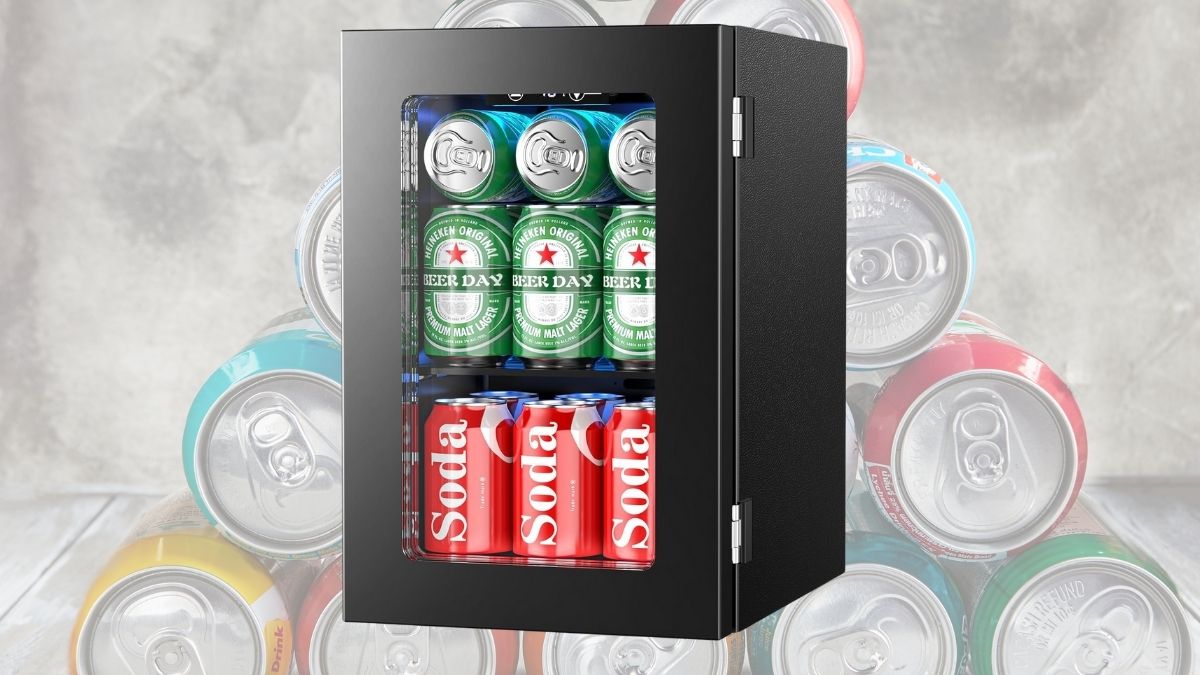
Reaching for a drink and finding it lukewarm is a small annoyance that adds up fast. If your main refrigerator is always packed, beverages often get pushed to the back, stacked awkwardly, or left out altogether.
A compact beverage cooler can fix that by giving drinks a dedicated home and keeping them at a steady temperature.
The Electactic 24 Cans Beverage Refrigerator Cooler is built for exactly that role. It is small enough for a desk, countertop, or bar cart, but it still holds a practical amount of drinks. It also gives you temperature control that works for more than one type of beverage, which matters if you rotate between soda, sparkling water, and beer.
What you are really getting with a 24-can cooler
A “24-can” label sounds simple, but what it means depends on how you use the interior space. In the most straightforward setup, you can store up to 24 standard 12 oz cans. If you switch to taller bottles or mixed containers, capacity changes, but the layout stays flexible.

Before you decide where it belongs, it helps to look at the unit’s size and how it fits into real rooms.
Size and placement basics
The cooler is compact at about 14.84 inches deep, 10.94 inches wide, and 16.53 inches high. That makes it realistic for smaller spots like:
- A home office corner
- A dorm room shelf or dresser top
- A kitchen counter where you want drinks separate from food
- A media room side table or bar cart
It also weighs around 21.56 pounds, so you can move it without turning it into a project.
Cooling performance: what to expect in real use
Cooling is where small beverage fridges can differ a lot. This model uses a compressor-driven system, which often performs better than thermoelectric units when the room temperature changes during the day.
You get an adjustable digital temperature range from about 40°F to 61°F. That range supports a few different use cases:
- Colder settings for soda, canned coffee, or energy drinks
- Mid-range for beer when you do not want it near-freezing
- Warmer settings for casual wine chilling (not a true cellar replacement)
A couple of perspectives on temperature range
Some users see 40°F as cold enough for everyday drinks, especially if you are cycling through them often. Others prefer lower temperatures for soda and expect closer to the mid-30s. If you want “almost icy” drinks, you may find 40°F slightly less aggressive than a full-size fridge set to very cold. On the other hand, the higher end of the range is useful if you want flexibility for different beverage types.
Storage flexibility: cans are easy, bottles need planning
The included removable shelf makes the interior more adjustable than it looks. If you are mostly storing cans, setup is simple. If you want bottles, you may need to rearrange.
Here is how it typically plays out:
- Best-case fit: 12 oz cans stored upright and stacked efficiently
- Mixed use: cans plus a few water bottles, depending on bottle height
- Bottle-forward use: remove or reposition the shelf to create vertical clearance
If your goal is purely “grab-and-go cans,” this cooler is straightforward. If your goal is “a little bit of everything,” you will probably tweak the interior once or twice before it feels right.
Noise and day-to-day living with it
In shared spaces, noise matters more than you expect. This cooler is designed for quiet operation, which is helpful in bedrooms, dorms, and offices. Still, it is a compressor fridge, so you should expect occasional cycling sounds, especially when it is cooling down after restocking.
If you are sensitive to sound at night, placing it a little farther from the bed or on a stable surface can help reduce vibration.
Energy use and operating cost
This unit is rated around 60 kWh per year, which is low for a compressor fridge. In practice, that means you can run it continuously without worrying that it will quietly inflate your bill.
You also gain a small efficiency benefit elsewhere. When drinks move out of your main refrigerator, you usually open the main fridge less often, which can reduce temperature swings for your food storage.
Maintenance: manual defrost is simple, but not automatic
This cooler uses manual defrost. That is not a deal-breaker, but it does mean you should plan for occasional upkeep.
A typical defrost routine looks like this:
- Unplug the unit
- Remove drinks and the shelf if needed
- Let frost melt naturally
- Wipe the interior dry
- Plug it back in and re-load once it stabilizes
Some people prefer manual defrost because it is straightforward and gives you a reason to clean the interior. Others prefer “set it and forget it” appliances and may see this as extra hassle.
Where it makes the most sense in your setup
You will get the most value when you place it where drinks are actually consumed. Good spots include:
- A home bar or entertainment room
- A workspace so you stop walking to the kitchen
- A dorm room to keep drinks separate from shared fridge space
- A garage or workshop for quick cold access during projects
Should you buy it?
If you want a compact cooler that handles everyday drinks reliably, the Electactic 24-can model covers the basics well. You get adjustable temperature control, a flexible shelf, a glass door for quick visibility, and energy use that stays modest. The main trade-offs are the limits of a compact interior and the reality of manual defrost.
Available on Amazon, this beverage cooler is part of Amazon Today’s Deals in the Kitchen & Dining – Beverage Refrigerators category. You can explore more products in the same category to compare sizes, temperature ranges, and storage layouts.