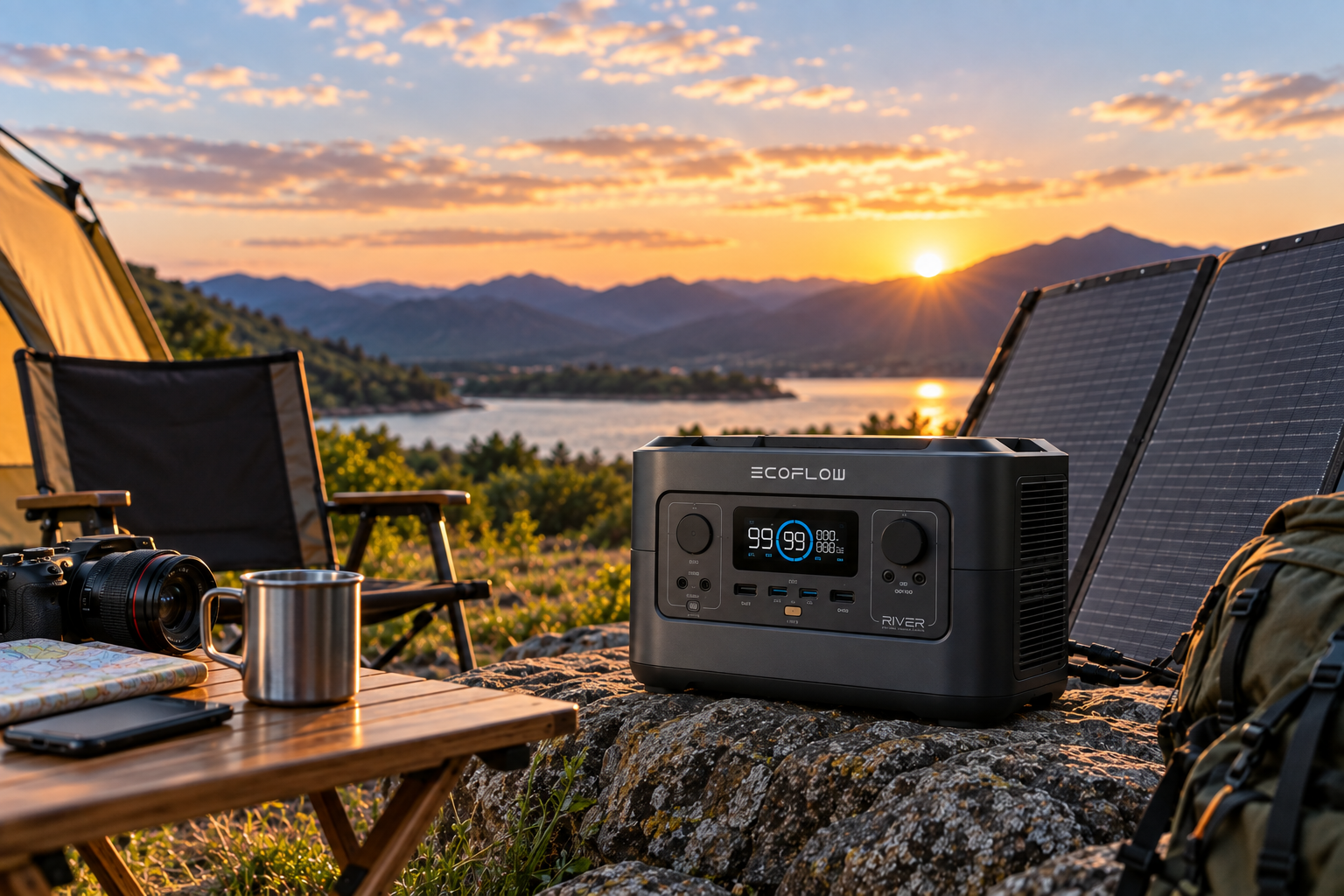
A solar generator offers a convenient way to store electricity for camping, emergency preparedness, outdoor activities, and backup power at home. Instead of relying entirely on fuel, it can use solar panels to capture energy from sunlight and store that electricity in a built-in battery for later use.
Modern solar generators come in many sizes and capacities. Some compact models are designed for phones, laptops, lights, and cameras, while larger systems may support refrigerators, power tools, televisions, and other appliances. Understanding how these systems work can help you choose one that matches your actual power needs.
What Is a Solar Generator and How Does It Work?
A solar generator generally combines a portable power station with compatible solar panels. The panels collect sunlight and convert it into electricity, which is then sent to the generator’s internal battery.
Most units contain several important components:

- Battery: Stores electrical energy for later use.
- Charge controller: Regulates electricity entering the battery from the panels.
- Inverter: Converts stored DC electricity into AC electricity for compatible household devices.
- Output ports: May include AC outlets, USB-A, USB-C, and 12V DC connections.
- Display: Often shows remaining battery percentage, power input, output, and estimated operating time.
Many models can also be charged through a household wall outlet or vehicle connection, giving you additional charging options when sunlight is limited.
Why Consider a Solar Generator?
One major advantage of a solar power generator is its flexibility. You can charge the battery beforehand and keep stored electricity available when a standard outlet is unavailable.
Unlike conventional fuel-powered generators, solar generators do not burn gasoline or diesel while supplying electricity from their batteries. This means there are no direct exhaust emissions during battery operation, making them suitable for many situations where combustion generators would require outdoor placement and careful ventilation.
They are also generally quieter because they do not use combustion engines. Cooling fans may still produce some noise when the system is charging heavily or powering demanding equipment.
Solar Generators for Home Backup Power
Unexpected power interruptions can affect lighting, communication devices, refrigeration, internet equipment, and other everyday essentials. A sufficiently sized backup power supply may help keep selected devices operating during a temporary outage.
For example, a solar generator may be used for:
- Wi-Fi routers and modems
- Smartphones and tablets
- LED lights
- Laptops and monitors
- CPAP machines, subject to manufacturer specifications
- Televisions
- Refrigerators and freezers, when the generator can handle their starting and running power requirements
However, a portable solar generator does not automatically replace a whole-home backup system. High-demand appliances such as central air conditioners, electric ovens, water heaters, and clothes dryers can require substantial power. Always compare appliance requirements with the generator’s rated and surge output.
Using a Solar Generator for Camping and Outdoor Activities
Portability makes these generators particularly useful away from conventional electrical outlets. Campers, RV travelers, photographers, and outdoor enthusiasts can use them to keep essential electronics charged.
A smaller portable power station may provide electricity for phones, cameras, portable lights, laptops, small fans, and other low-power equipment.
Adding compatible solar panels can extend your off-grid capabilities. Actual charging performance will vary according to panel wattage, sunlight intensity, weather, temperature, panel orientation, and the generator’s maximum solar input.
Understanding Battery Capacity
Battery capacity is one of the most important specifications to check before purchasing a solar generator. It is commonly expressed in watt-hours (Wh).
As a simplified example, a 1,000Wh battery theoretically contains enough stored energy to supply a 100-watt device for approximately 10 hours. Real-world runtime will usually be lower because of inverter losses, operating conditions, battery management, and the power station’s own energy consumption.
You can make a rough runtime estimate with this formula:
Battery capacity in Wh ÷ device wattage = approximate theoretical runtime
Consider leaving a margin rather than selecting a generator based on theoretical capacity alone.
Check Continuous and Surge Power
Capacity tells you how much energy a battery stores, while output tells you how much power the generator can deliver at a given moment.
Check both continuous and surge output when comparing models. Certain appliances with motors or compressors can briefly require much more electricity during startup than during normal operation.
A generator could therefore have enough battery capacity to operate an appliance for several hours yet still be unable to start it if the appliance’s surge demand exceeds the generator’s output rating.
How Many Solar Panels Do You Need?
The right solar array depends on your generator’s specifications and how quickly you want to recharge it.
Larger or higher-wattage panels may shorten charging times under suitable conditions, but connecting more panels does not always mean faster charging. Every generator has limits for solar input voltage, current, and wattage.
Check the manufacturer’s compatibility requirements before connecting panels. Exceeding the specified electrical limits can potentially damage equipment.
Solar Generator Charging Options
Having several charging methods can make a solar generator more practical. Depending on the model, you may have access to:
- Solar charging
- AC wall charging
- Vehicle charging
- USB-C charging on smaller systems
- Combined charging methods on certain models
Solar charging can be valuable when spending extended periods away from the grid, while AC charging is often convenient for preparing the battery before a trip or anticipated outage.
Solar Generators and Renewable Energy
Solar generators can support the use of renewable energy by storing electricity collected from sunlight. They can be particularly useful for people who need portable electricity without running a combustion engine whenever power is required.
However, their environmental impact is not zero. Batteries, electronics, solar panels, manufacturing, transportation, and eventual recycling all have environmental footprints. Battery longevity and repairability are therefore useful considerations alongside performance.
What to Look for When Choosing a Solar Generator
Before buying, consider how and where you expect to use the system.
Battery Capacity
Estimate how much electricity your essential devices consume and how long you want to operate them between charges.
Power Output
Check continuous and surge ratings against the requirements of the devices you intend to connect.
Solar Input
Review the maximum supported solar wattage, voltage, and current. Higher supported solar input may provide greater flexibility when selecting panels.
Battery Chemistry
Lithium iron phosphate (LiFePO4) batteries have become common in portable power stations because they can offer long cycle life and good thermal stability. Other lithium battery chemistries are also available.
Port Selection
Count the AC, USB, USB-C, and DC ports you expect to need. A powerful generator can still be inconvenient if it lacks suitable connections.
Weight and Portability
Higher-capacity batteries tend to be heavier. Handles, wheels, and overall dimensions may matter if you plan to move the generator regularly.
Warranty and Support
Check the warranty period, replacement options, customer support availability, and availability of compatible accessories.
Solar Generator vs. Fuel Generator
Solar and fuel generators serve overlapping purposes, but they operate differently.
Solar generators are typically quieter during use, require no fuel while discharging stored electricity, and can be used with compatible solar panels for off-grid recharging. However, charging from sunlight depends on environmental conditions, and portable battery systems have finite stored capacity.
Fuel generators can provide substantial continuous power as long as appropriate fuel remains available. However, they produce exhaust gases and require proper outdoor operation according to manufacturer safety instructions.
The better choice depends on your required wattage, runtime, portability needs, charging opportunities, and intended environment.
Tips for Getting More From Your Solar Generator
Efficient energy use can help stored power last longer.
- Prioritize essential equipment during outages.
- Switch off devices you are not using.
- Use energy-efficient LED lighting.
- Fully charge the generator before planned trips.
- Position solar panels where they receive strong, unobstructed sunlight.
- Keep panels clean according to manufacturer instructions.
- Avoid exceeding the generator’s rated output.
- Follow recommended battery storage and charging procedures.
Is a Solar Generator Worth Considering?
A solar generator can be a practical option when you need portable electricity for camping, travel, emergency preparedness, or temporary home backup. Its usefulness ultimately depends on choosing the right battery capacity, power output, charging capability, and portability for your needs.
Before selecting a system, list the devices you want to operate and check their running and startup wattage. Then compare those requirements with the generator’s specifications.
With realistic expectations and proper sizing, a solar generator can provide flexible stored power while giving you the option to recharge using solar energy when suitable sunlight is available.