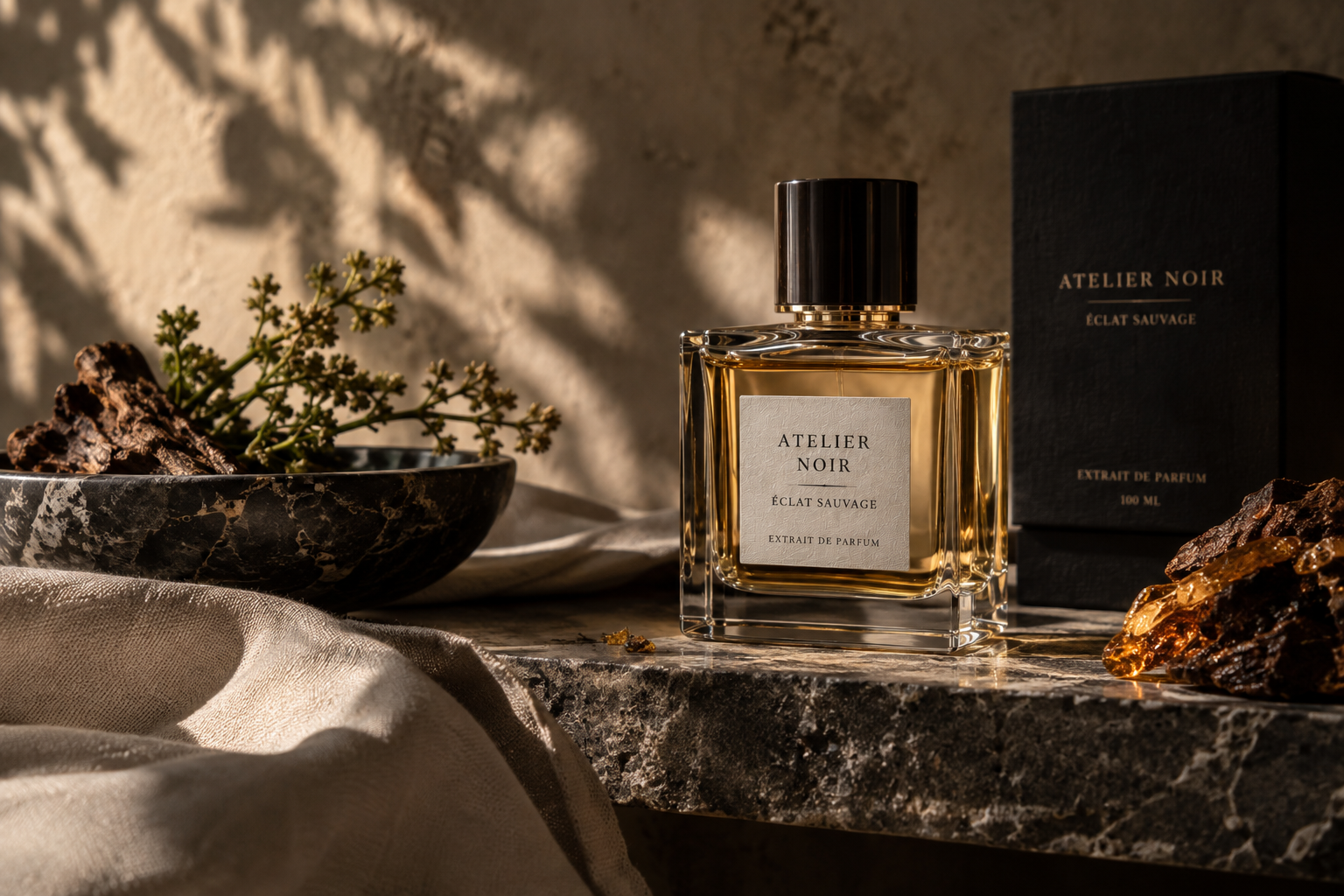
Choosing a fragrance can become surprisingly personal once you move beyond familiar scents and start exploring niche perfumes. Instead of simply picking something popular, you can compare scent profiles, ingredients, concentration, performance, and how a fragrance develops on your skin.
The niche fragrance market offers everything from fresh citrus compositions to smoky woods, florals, leather-inspired scents, and unusual gourmand blends. With so many possibilities, knowing what to compare can make shopping much easier.
This guide explains the practical details worth considering before you spend your money.
What Makes Niche Perfumes Different?
There is no single regulated definition that separates a niche perfume from every mainstream fragrance. In general, however, the term is commonly associated with fragrance houses or collections that place particular emphasis on perfumery, distinctive compositions, creative concepts, or specialized distribution.

That means a niche fragrance isn’t automatically better than a mainstream option. Instead, the appeal often comes from having a broader selection of scent styles to explore.
You may encounter familiar notes such as rose, vanilla, bergamot, sandalwood, and jasmine alongside less conventional combinations. Exploring artisan fragrances can therefore be useful when you want something outside the scent profiles you normally encounter.
Understand Fragrance Notes Before Buying
Perfumes are often described through top, middle, and base notes. Understanding these layers helps you interpret product descriptions more effectively.
Top notes are typically noticeable shortly after application. Citrus, aromatic herbs, and lighter fruits frequently appear here.
Middle notes, sometimes called heart notes, become more noticeable as the opening develops. Floral, spicy, fruity, and aromatic elements are common.
Base notes tend to provide depth and can become increasingly noticeable later. Woods, amber-style accords, musk, vanilla, resins, and leather-like accords often appear in this part of a composition.
However, fragrance development isn’t always perfectly divided into three stages. Modern compositions can be more linear, meaning their overall character changes relatively little over time.
Which Fragrance Family Fits Your Preferences?
Knowing the general scent families you enjoy can narrow down your options considerably.
If you prefer bright fragrances, citrus, green, aquatic, or aromatic compositions may appeal to you. Floral fragrances can range from airy and delicate to rich and opulent. Woody compositions frequently feature cedar, sandalwood, vetiver, or patchouli.
You can also explore amber, spicy, leather, and gourmand profiles when you prefer something richer.
People looking for luxury fragrances sometimes focus heavily on price or presentation. However, the scent itself deserves greater attention. An expensive bottle doesn’t necessarily mean the fragrance will suit your preferences better.
Should You Test a Perfume Before Buying a Full Bottle?
Whenever possible, yes.
A fragrance may smell different on a paper testing strip than it does on your skin. Skin temperature, application, surrounding conditions, and your perception of individual notes can influence your experience.
Start with a testing strip when you’re comparing several fragrances in a store. Once you’ve narrowed your choices, test the most promising options on your skin.
Then give them time.
The opening minutes provide only part of the experience. Waiting several hours lets you evaluate the fragrance after its initial notes have faded and the composition has developed.
For online shopping, perfume samples and discovery sets can offer a practical alternative to immediately purchasing a full-size bottle. They allow you to wear fragrances under normal conditions before making a larger purchase.
Compare Concentration, Not Only the Fragrance Name
You may see terms such as eau de toilette, eau de parfum, parfum, or extrait de parfum while shopping. These generally indicate different fragrance concentrations, although exact percentages and performance can vary among manufacturers.
Higher concentration does not automatically mean a fragrance is better.
A lighter formulation may work well when you prefer something subtle, while a richer concentration might suit situations where you want greater presence. Formulation matters too, so two fragrances carrying the same concentration label can perform differently.
Instead of choosing based purely on concentration, consider how the fragrance actually smells and performs during a realistic wear test.
Think About Longevity and Projection
Performance can influence the value you get from a fragrance.
Longevity refers to approximately how long you can detect a fragrance after application. Projection describes how noticeably the scent radiates away from you.
Performance varies significantly among fragrances. A light citrus composition may behave very differently from a dense woody or amber fragrance.
Your environment can matter as well. Temperature, humidity, clothing, application location, and individual skin characteristics may affect how you experience a scent.
When reading niche perfume reviews, look for repeated observations rather than relying on one person’s experience. Reviews are useful for identifying patterns, but they cannot tell you exactly how a fragrance will perform on your skin.
How Much Should You Spend?
Consider the bottle size, concentration, cost per milliliter, packaging, availability of smaller sizes, and how frequently you expect to wear the scent.
A large bottle isn’t always the most economical choice in practice. If you regularly rotate several perfumes, a 30 ml or 50 ml bottle may provide plenty of use while allowing you to explore additional fragrances.
Samples and travel sizes can also make higher-priced scents more accessible without committing to a full bottle.
Consider When and Where You’ll Wear It
A fragrance that works beautifully for an evening event may feel heavier than you prefer during a warm afternoon.
For everyday use, you might prefer fresh citrus, aromatic, clean woody, green, or soft floral compositions. Evening fragrances often lean toward deeper woods, spices, amber accords, vanilla, or leather-inspired profiles.
Seasonality can provide another useful starting point, although it doesn’t need to become a strict rule. Fresh fragrances are commonly associated with warmer weather, while richer compositions are often favored during cooler months.
Ultimately, your comfort matters more than traditional fragrance rules.
Look Beyond Packaging and Brand Storytelling
Presentation is part of the fragrance experience, especially in the premium market. Elaborate bottles, unusual caps, artistic boxes, and detailed brand stories can make a perfume feel special.
Still, packaging shouldn’t replace practical evaluation.
Ask yourself:
- Do you genuinely enjoy the fragrance after several hours?
- Would you wear it regularly?
- Does its performance match your expectations?
- Is the bottle size appropriate for your usage?
- Can you sample it before purchasing?
- Does the price make sense compared with alternatives you’ve tested?
These questions can help you distinguish genuine personal value from attractive marketing.
Where Should You Buy Niche Perfumes?
Specialist perfume boutiques and authorized retailers can be helpful because they often provide testers, samples, and knowledgeable assistance. Department stores may carry selected niche houses as well.
Online fragrance stores provide broader access, particularly when certain scents aren’t available locally. However, seller reputation deserves attention.
When searching for exclusive perfumes, check the retailer’s authenticity policy, contact information, return conditions, shipping terms, and customer feedback before ordering.
Be especially cautious when an unfamiliar seller offers a normally expensive fragrance at a dramatically lower price without a clear explanation.
Are Niche Perfumes Worth the Price?
They can be, depending on what you value.
You may appreciate them if you enjoy discovering unusual scent combinations, exploring individual perfume houses, sampling extensively, or building a varied fragrance collection.
However, niche doesn’t automatically mean superior quality, stronger performance, or better value. Mainstream perfumes can also offer sophisticated compositions and enjoyable performance.
The better comparison is therefore not simply niche versus mainstream. Compare individual fragrances according to scent, wearability, performance, bottle size, availability, and price.
How to Narrow Down Your Choices
Start by identifying three things: your preferred scent family, approximate budget, and intended use.
From there, create a shortlist rather than browsing dozens of fragrances at once. Read descriptions to identify notes you already enjoy, then check several independent reviews for recurring observations about performance and overall character.
Next, sample the fragrances that interest you most.
Wear each one on different days and pay attention to the opening, development, dry-down, projection, longevity, and how often you actually want to smell it again.
That final point can be particularly useful. A technically impressive perfume may still be a poor purchase if you rarely feel like wearing it.
Choose a Fragrance You’ll Actually Enjoy Wearing
Shopping for niche perfumes becomes easier when you focus on your preferences instead of reputation, trends, or packaging alone.
Learn the basic fragrance families, compare concentrations and sizes, investigate the retailer, and sample whenever possible. Most importantly, give each fragrance enough time on your skin before deciding.
A thoughtful approach can help you find a scent that fits your lifestyle, budget, and personal taste without assuming that higher prices or greater exclusivity automatically make one perfume better than another.